
Silver-cup mock orange
Philadelphus argyrocalyx
Description
Growing requirements
The Silver-cup mock orange (Philadelphus argyrocalyx) is a deciduous flowering shrub belonging to the Hydrangeaceae family. Native to the mountainous regions of New Mexico, it is highly regarded for its aesthetic value in temperate climate gardens.
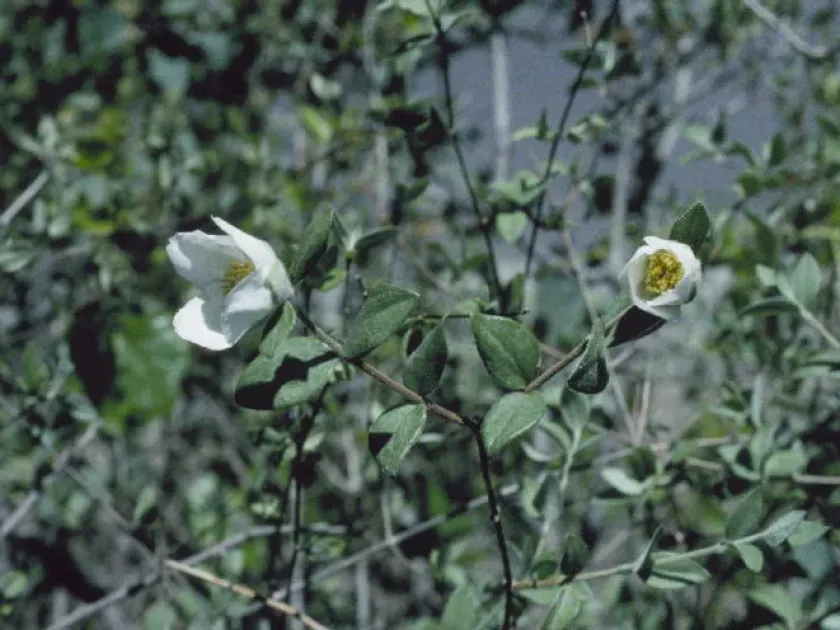
Botanically, this shrub features elegant, white-petaled flowers distinctively marked by silver-tinted sepals. Its growth habit is typically upright and spreading, reaching moderate heights that make it suitable for various landscape applications.
The plant thrives in well-drained, nutrient-rich soils with consistent moisture levels. While it adapts to various light conditions, partial shade to full sun exposure is recommended for optimal blooming performance and overall plant vigor.
Cultivation requires regular pruning immediately following the flowering cycle. This practice encourages new, healthy stem development, which is essential for ensuring a prolific flower set for the following growing season.
In landscaping, this species is frequently used for ornamental hedging or as a focal point within shrub borders. Its adaptability to diverse garden environments makes it a popular choice for both professional designers and private enthusiasts.
Main diseases and pests
The primary threats to Philadelphus argyrocalyx include fungal infections like powdery mildew, which are often triggered by poor air circulation or excessive moisture on foliage. Maintaining adequate spacing between shrubs is crucial to prevent these issues.
Pest management should focus on monitoring for aphids and spider mites, particularly during dry spells. If infestations are detected, horticultural oils or appropriate insecticides should be applied to protect the plant's structural and aesthetic integrity.