
Hernandia mascarenensis
Hernandia mascarenensis
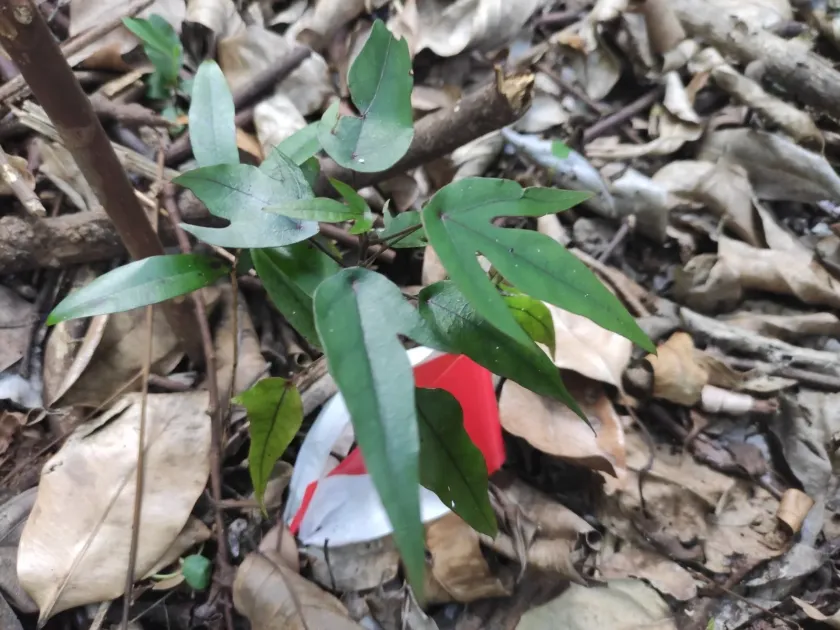
Description
Sowing dates
Propagation of Hernandia mascarenensis is primarily achieved through seeds. In nursery settings, it is essential to use freshly harvested seeds to ensure high germination rates, as the viability of the seed decreases rapidly.
Sowing should take place in containers filled with a well-draining, nutrient-rich substrate. Maintaining a consistent temperature between 24 and 28 degrees Celsius is crucial for successful seedling emergence.
Transplanting young saplings to their permanent location is best done at the beginning of the rainy season. This timing allows the root system to establish itself effectively before any potential dry periods.
The root system is delicate and prone to damage, so transplanting must be conducted with extreme care. Mulching the base of the saplings helps retain soil moisture and prevents overheating of the root zone.
Early stage fertilization with a balanced mix of macro-nutrients supports the rapid development of the plant. Over-fertilization should be avoided to prevent succulent growth that could attract pests.
Growing requirements
Hernandia mascarenensis belongs to the Hernandiaceae family and is native to the tropical ecosystems of the Indian Ocean islands. It thrives in high-temperature environments where humidity remains consistently elevated throughout the year.
The tree prefers sunny, open spaces but can tolerate moderate shade during its juvenile stages. Well-aerated, fertile soils with a slightly acidic to neutral pH are ideal for its long-term development.
Maintaining high air humidity, ideally above 75 percent, is a critical requirement for this species. It is not suitable for cultivation in regions with dry seasons or significant cold spells, as it lacks frost tolerance.
Proper water management is vital, as the tree requires constant moisture but cannot withstand stagnant water around its roots. Good drainage systems are mandatory to prevent root decay in plantation environments.
Wind protection is essential, especially for younger trees, to ensure upright growth and to prevent mechanical damage to the foliage. Adequate space between individual trees must be maintained to promote healthy crown development.
Main diseases and pests
Fungal pathogens represent a major threat to the tree, particularly in environments with excessive moisture. Leaf spot diseases can significantly impair the photosynthetic capacity of the plant if left untreated.
Pests like scale insects can affect younger branches, leading to stunted growth or branch dieback. Regular monitoring and the application of biological control methods are highly recommended for plantation health.
Avoiding overcrowding is a key management strategy to improve air circulation and reduce the likelihood of disease outbreaks. Proper spacing helps keep the foliage dry, which discourages most fungal spores.
Mechanical injuries to the bark provide entry points for infections. Workers must ensure that all pruning tools are sterilized and that pruning is done correctly to minimize the risk of pathogen transmission.
Integrated Pest Management (IPM) practices are ideal for this culture, focusing on ecological balance rather than heavy reliance on chemical pesticides. Healthy soil conditions are the first line of defense against pests.
Harvesting
The utilization of Hernandia mascarenensis is strictly regulated due to its status as a rare species. Harvest operations should only occur within the framework of sustainable management and legal forestry practices.
Seeds are harvested manually when the fruit reaches full maturity, often signaled by a distinct color change in the pericarp. Immediate sorting and cleaning of the seeds are required to preserve their quality for future planting.
The tree has potential for use in reforestation projects and ecological restoration. Its wood, noted for its lightweight properties, has historical significance in artisanal craftsmanship.
Proper processing of the wood post-harvest is necessary to prevent warping and ensure durability. All activities should align with conservation efforts to protect the species from further decline in the wild.
Long-term seed storage requires controlled environments with low temperatures and regulated humidity levels. Proper storage ensures that the genetic resource remains available for future research and planting programs.