
Gyrocarpus americanus
Gyrocarpus americanus
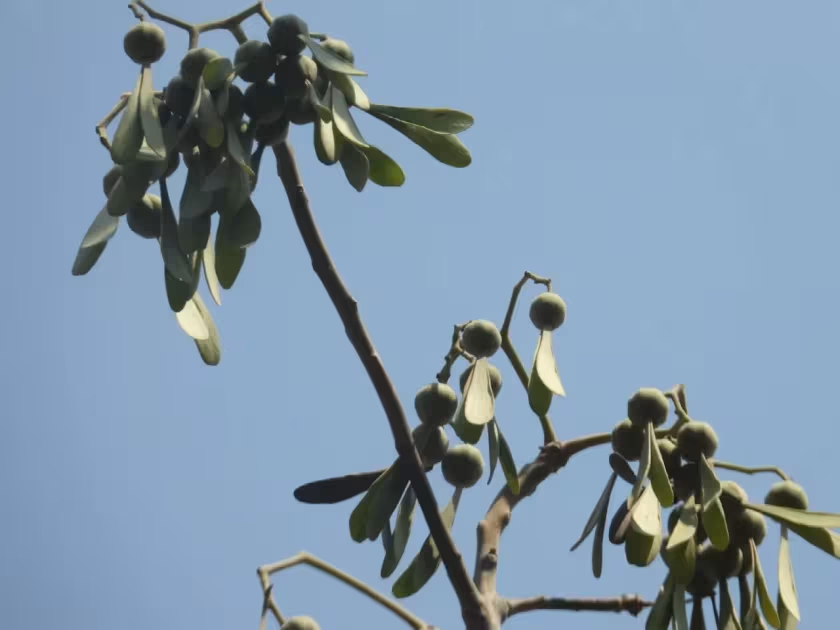
Description
Growing requirements
Gyrocarpus americanus is a deciduous tree belonging to the Hernandiaceae family. It is widely distributed across tropical regions including Africa, Southeast Asia, Australia, and parts of the Americas, thriving in diverse environments ranging from coastal forests to rocky inland slopes.
This species requires a warm tropical climate to flourish, as it cannot tolerate frost or prolonged cold snaps. It is well-adapted to areas characterized by distinct wet and dry seasons, which dictate its physiological cycles and overall growth rate in natural habitats.
Regarding soil requirements, the plant prefers well-drained substrates such as sandy or limestone-based soils. Effective drainage is critical, as the species is highly susceptible to root damage in waterlogged conditions, which limits its suitability for heavy, clay-rich lands.
Agricultural management primarily focuses on ensuring adequate light exposure and protecting young saplings from intense competition. Once established, the tree is relatively resilient to environmental stressors, including moderate drought conditions common in its native range.
The economic value of Gyrocarpus americanus is centered on its lightweight wood, which is traditionally utilized for woodcarving, boat building, and craft manufacture. Additionally, the plant has a documented history of use in traditional medicinal practices within its native regions.
Main diseases and pests
The primary threats to Gyrocarpus americanus involve fungal pathogens, particularly root rot, which is often induced by improper drainage or excessive moisture. Maintaining an appropriate moisture balance in the soil is essential to ensure the longevity of the trees.
Pest pressure can be significant in nursery settings, where aphids and spider mites may infest the foliage. Monitoring programs and the use of targeted biological controls are recommended to maintain the health of the trees without resorting to heavy chemical applications.