
Helwingia
Helwingia
Helwingia is a distinct genus of shrubs classified within the family Helwingiaceae. Native to East and Southeast Asia, including parts of China and Japan, these plants thrive in the humid and shaded understories of mountain forests.
What the section contains


Helwingia
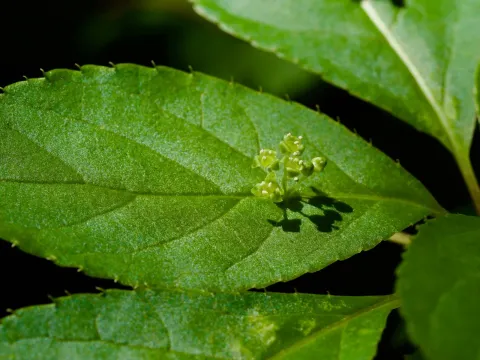
The defining botanical trait of Helwingia is its unique leaf-borne flowering habit. Flowers and fruit develop directly from the midrib of the leaves, a phenomenon known as epiphyllous flowering, which makes the plant a focal point in specialized botanical gardens.
Cultivation requires environments that mimic their natural habitat. They prefer dappled shade and protection from harsh afternoon sun, which can scorch the delicate foliage. Consistent light is necessary for healthy leaf development.
Soil conditions should be loose, rich in organic matter, and well-draining. While Helwingia requires constant moisture, it is sensitive to waterlogged conditions, making proper soil aeration and drainage essential for long-term health.
Beyond its ornamental appeal, Helwingia has historical and culinary significance in Asian regions. In some areas, the young leaves and shoots are harvested and prepared as edible greens, contributing to the plant's dual utility as a decorative and food crop.
Spider mites are the most common pests encountered in the cultivation of Helwingia, particularly in greenhouse or dry indoor environments. Frequent misting and maintaining adequate humidity levels are effective management strategies.
Aphids can also infest the tender new growth of the plant. If an infestation occurs, it is recommended to apply gentle insecticidal soaps or systemic pesticides to protect the vigor of the plant during the growing season.
Root rot represents a significant threat to Helwingia when drainage is inadequate. Overwatering, especially during dormant phases, must be avoided to prevent the development of anaerobic conditions around the root zone.
Powdery mildew is a potential threat when air circulation is poor or humidity levels fluctuate drastically. Ensuring proper spacing between plants and maintaining a clean environment helps prevent fungal outbreaks.
Leaf spot diseases may occur in particularly wet and cool conditions. Pruning away infected leaves and improving air circulation around the canopy is essential to prevent the spread of these pathogens throughout the plant population.