
Helwingia chinensis
Helwingia chinensis
Description
Growing requirements
Helwingia chinensis is a distinct evergreen shrub belonging to the Helwingiaceae family. It is native to the temperate and subtropical forests of China, where it thrives in shaded, moist mountainous environments.
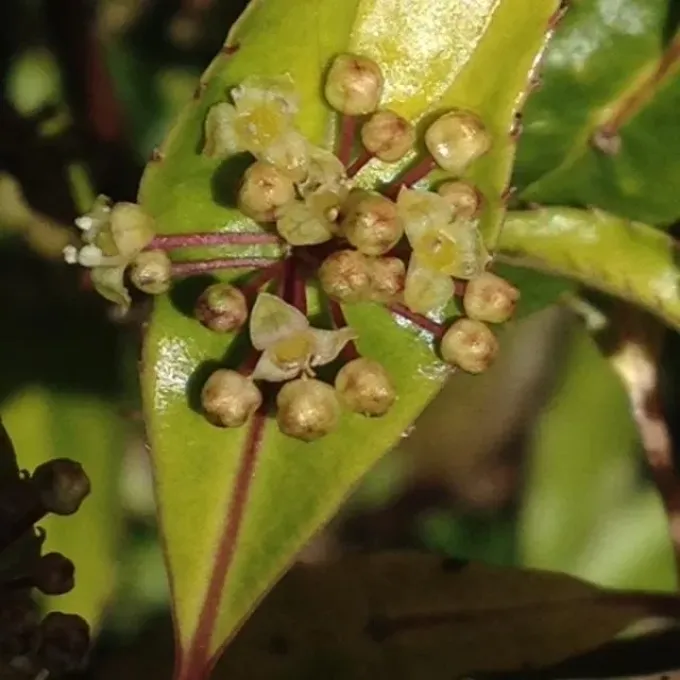
The plant is world-renowned for the biological phenomenon of epiphyllous flowering, where small, inconspicuous flowers and berries emerge directly from the middle of the leaves. This unique trait makes it a sought-after specimen for botanical enthusiasts.
Cultivation requires semi-shaded locations with protection from intense afternoon sunlight. It is an excellent choice for woodland gardens or sheltered indoor spaces where the humidity can be managed effectively.
The soil should be fertile, well-draining, and slightly acidic to neutral. Consistent moisture levels are essential for healthy growth, though the plant must never be waterlogged, as it is susceptible to root rot in saturated conditions.
In terms of utilization, Helwingia chinensis is primarily grown for its ornamental value. It serves as an intriguing focal point in shaded gardens or as a sophisticated addition to greenhouse collections worldwide.
Main diseases and pests
Root rot is the most significant threat to this culture, usually caused by poor drainage or excessive watering. Ensuring a high-quality, porous substrate is the primary defense against such issues.
Spider mites are a common pest, especially in indoor environments where air circulation is limited. Maintaining higher humidity levels and keeping the foliage clean can help prevent mite infestations.
Scale insects can also pose a problem by clinging to the stems and leaf veins. Manual removal or the use of mild horticultural oils is recommended for controlling these pests without damaging the sensitive leaves.
The plant is not frost-hardy and requires a controlled environment during the winter months. Exposure to freezing temperatures can cause significant tissue damage and result in plant loss.
Nutritional stress may appear as discolored foliage. A balanced, dilute liquid fertilizer applied during the growing season is sufficient to keep the shrub healthy and vigorous throughout the year.