
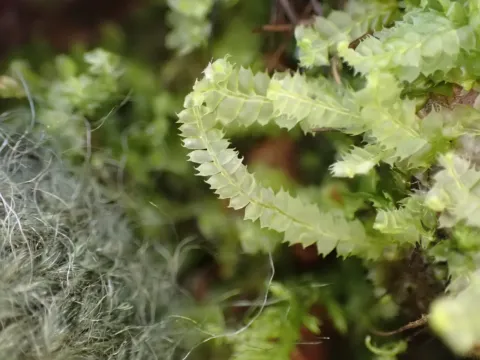
Lophocolea
Lophocolea
Lophocolea is a genus of liverworts belonging to the Lophocoleaceae family. While not a commercial agricultural crop, it serves as a critical component of forest ecosystems worldwide.
What the section contains


Lophocolea
The distribution of Lophocolea is global, ranging from temperate zones to tropical regions. These plants are typically found in moist, shaded environments, often colonizing decaying logs and damp soil.
The botanical structure is characterized by flattened stems with two rows of leaves, often exhibiting a distinctive bilobed shape. This structure is highly efficient for moisture absorption and photosynthesis in shaded conditions.
For growth, Lophocolea requires high relative humidity and protected spots with minimal direct sunlight. It thrives in environments where moisture remains consistent throughout the year.
Soil requirements are generally linked to acidic or neutral substrates rich in organic matter. They act as pioneers in successional processes on dead wood and forest floor surfaces.
The primary threats to Lophocolea populations include deforestation and land development. Any intervention that reduces shade or increases evaporation rates destroys the required habitat.
Pollution is a major environmental stressor for these bryophytes. Because they lack a protective cuticle, they absorb atmospheric pollutants directly, making them vulnerable to heavy metals and acid rain.
Pest damage is minimal; however, biological competition from faster-growing invasive plants can displace Lophocolea colonies in disturbed habitats.
Fungal pathogens represent the main disease threat, especially when stagnant water allows for mold development. Maintaining adequate airflow is essential for the health of the colony.
Conservation efforts prioritize the maintenance of old-growth forest characteristics to preserve the delicate microclimates that Lophocolea depends on for survival.