
Chiloscyphus
Chiloscyphus
Chiloscyphus is a genus of liverworts belonging to the family Lophocoleaceae. It is important to note that this is not an agricultural crop but a significant group of bryophytes found in natural ecosystems worldwide, often serving as indicators of forest ecosystem health and humidity levels.
What the section contains

Chiloscyphus
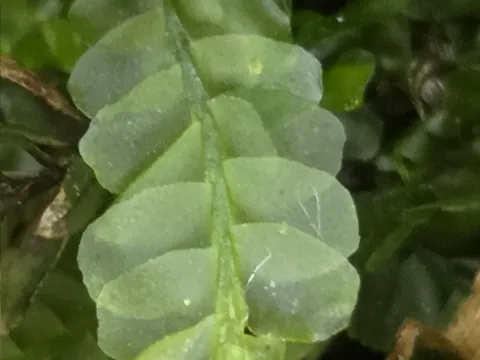
Botanical features of Chiloscyphus include prostrate or ascending stems that often form dense mats. The leaves are typically arranged in two rows, a characteristic feature that differentiates this genus from other liverworts. They lack vascular systems, relying instead on direct absorption of water and nutrients.
The distribution of this genus spans from temperate regions to tropical zones. They are typically found in moist environments, such as stream banks, rotten logs, and damp forest floors, where they thrive in low-light conditions with high humidity levels.
Environmental requirements for these plants are strict regarding water availability. They demand constant atmospheric moisture and protection from direct sunlight. Soils or substrates must be rich in organic matter and maintain a pH level suitable for moss growth to thrive.
While not cultivated for agricultural purposes, these liverworts are sometimes kept by hobbyists in paludariums or specialized indoor terrariums. Their maintenance involves careful control of water quality and humidity, as they are highly sensitive to drought and environmental contaminants.
The primary threats to Chiloscyphus populations are habitat loss, deforestation, and the alteration of local hydrology. Because these organisms rely on a stable, humid microclimate, any significant drying of the area or removal of forest canopy leads to rapid degradation of their colonies.