
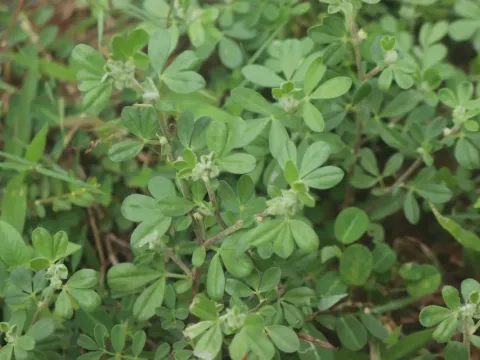
Rothia
Rothia
Sowing of the crop is typically carried out in the spring, once soil temperatures consistently reach 10-12 degrees Celsius to ensure rapid germination.
What the section contains
Rothia
Seeds should be placed at a depth of 2-3 centimeters to balance moisture access with sufficient soil cover for strong seedling emergence.
Optimal sowing density is crucial for suppressing weed growth and achieving high biomass yields, typically requiring 300-400 plants per square meter.
Using specialized seeding machinery ensures uniform distribution, which is vital for an even crop stand and efficient resource utilization throughout the field.
Light rolling after sowing is highly recommended to improve soil-to-seed contact, significantly increasing moisture uptake from the surrounding soil environment.
Rothia belongs to the Fabaceae family and thrives in well-drained loamy soils that maintain a neutral or slightly acidic pH level.
The crop demonstrates moderate drought tolerance but performs best with consistent moisture levels during the critical stages of vegetative development.
High levels of solar radiation are essential for the plant to reach its full productive potential and optimize nutrient accumulation in its stems.
Application of phosphorus and potassium-based fertilizers significantly boosts the plant's hardiness, improving survival rates through cooler periods.
Proper drainage is a prerequisite for cultivation, as the species is highly sensitive to waterlogging, which can rapidly damage its root system.
Fungal diseases such as root rot and powdery mildew pose the greatest risk, particularly in fields with poor air circulation or excessive humidity.
Nodule weevils are the primary pests that damage the root system, ultimately reducing the plant's nitrogen-fixing capabilities and overall health.
Aphid infestations can cause leaf curling and transmit viral pathogens, necessitating early monitoring to prevent significant crop damage.
Crop rotation remains the most effective preventive measure, as it disrupts the life cycle of soil-borne pathogens and minimizes pest pressure.
Integrated pest management strategies should be employed, ensuring chemical interventions are timed correctly and comply with safety regulations.
Harvesting for forage is best conducted at the onset of the flowering stage, ensuring the highest protein content and nutritional value for livestock.
When preparing hay, quick drying is necessary to preserve nutritional quality and prevent the development of mold within the harvested biomass.
Cutting height should be maintained at 5-7 centimeters to protect the plant's growing points and promote vigorous regrowth for subsequent cuts.
For seed production, harvesting must occur when pods show signs of maturity, taking care to minimize mechanical shattering and seed losses.
Post-harvest storage requires cleaning and drying the seeds to a moisture level of 12-14% to maintain long-term viability and prevent seed spoilage.