
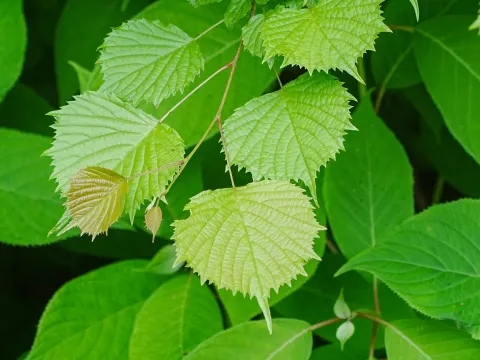
Euptelea
Euptelea
Euptelea is a genus of deciduous trees and shrubs representing the monotypic family Eupteleaceae. Native to the mountainous regions of East Asia, these plants are primarily found in the wild across China and Japan, thriving in temperate forest environments.
What the section contains


Euptelea
To ensure healthy growth, Euptelea requires fertile, consistently moist, and well-draining soil rich in humus. While the plant can adapt to various light conditions, it performs best in partial shade, sheltered from the intensity of direct midday sun which can stress young foliage.
Climate adaptation is a key factor in cultivation. The species is relatively hardy but benefits significantly from protection against cold, desiccating winds. In colder zones, young specimens should be mulched heavily to protect the root system from deep ground freezing.
Agronomic maintenance includes a steady supply of moisture during the spring and summer growth cycles. Avoid waterlogged conditions at all costs, as the roots are sensitive to hypoxia; ensure the planting site is elevated or properly drained with coarse materials.
Euptelea serves an important role in landscape design as a specimen tree. It is prized for its aesthetic appeal, particularly the distinct floral structures that emerge in early spring before the leaves unfurl, and for its vibrant autumnal color changes.
Euptelea is generally considered to be a robust and resilient plant, showing significant natural resistance to common garden pests and diseases. It does not require complex chemical control programs under optimal site conditions.
The most prevalent risk for Euptelea is root rot, triggered by poor soil drainage and stagnant water. To prevent this, planters should avoid heavy clay soils and prioritize sandy-loam mixes that facilitate rapid drainage while maintaining necessary moisture levels.
Occasional infestations of sucking insects like aphids may occur, particularly if the plant is stressed by environmental factors. Standard horticultural oils or mild insecticidal soaps are typically sufficient to manage these populations effectively.
Wounds in the bark should be addressed immediately to prevent secondary fungal infections. Proper pruning techniques, such as using sterilized tools and making clean cuts, are essential to maintain the integrity of the tree's health and appearance.
Cultural hygiene remains the best defense against threats. Keeping the base of the plant clear of debris and ensuring good airflow through the canopy will significantly minimize the risk of fungal pathogens taking hold during humid seasons.