
Euptelea pleiosperma
Euptelea pleiosperma
Description
Sowing dates
Propagation of Euptelea pleiosperma in cultivation is most often carried out by seeds. Sowing seeds is recommended in late autumn into open ground or seed trays, as they require a long period of cold stratification to germinate successfully.
If seeds are stored in a dry condition, they must be stratified in a refrigerator for 2–3 months at temperatures between +1 and +5 degrees Celsius. Sowing in protected conditions should begin in March, ensuring stable soil moisture levels.
To improve germination rates, seeds can be subjected to brief scarification to breach the hard outer coat. The sowing depth should be no more than 0.5–1 centimeter to allow the sprouts to emerge easily.
Young seedlings require careful handling, such as pricking out, and shading from direct sunlight during their first year. Using loose, humus-rich substrates with a neutral or slightly acidic pH ensures the best survival rates for the young plants.
In industrial nursery production, vegetative propagation via cuttings is possible, although this process is hampered by slow root development, which often requires the use of phytohormones and mist irrigation systems.
Growing requirements
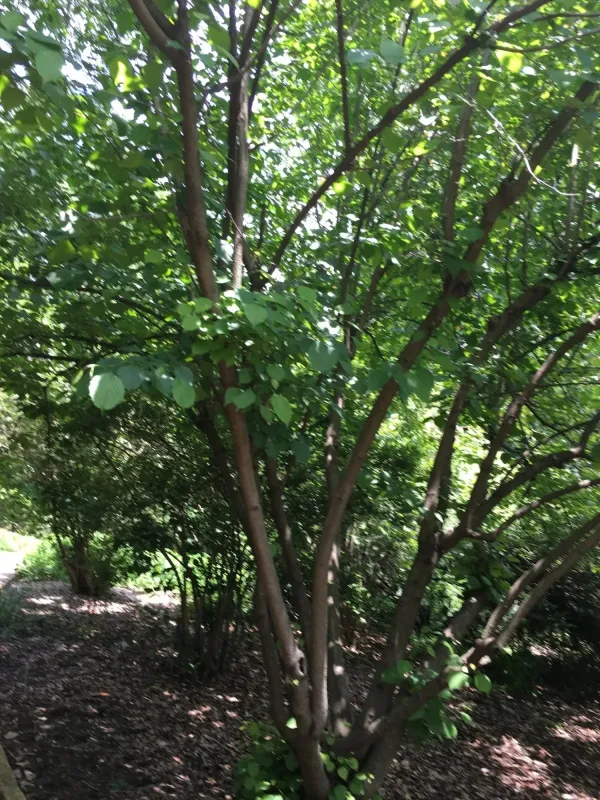
Euptelea pleiosperma is a deciduous tree or large shrub belonging to the Eupteleaceae family, native to the mountain forests of China. The species prefers moderately moist areas protected from strong winds with dappled shade or light exposure.
The plant has specific soil requirements: it does not tolerate heavy clay or excessively dry, sandy soils. The ideal choice is fertile, well-drained loams with a high content of organic matter.
The culture is sufficiently cold-hardy for temperate regions, although it requires winter protection while young. Mature specimens can tolerate short-term temperature drops down to -20 to -25 degrees Celsius, provided there is snow cover.
Regular watering is a critical development factor, especially during drought periods. The plant is extremely sensitive to drying out of the root ball, so mulching the base with bark or peat is recommended to maintain optimal moisture levels.
In landscaping, the tree is prized for its delicate, lacy crown and striking early spring flowers that appear before the leaves emerge. Due to its relative compactness, it is well-suited for specimen plantings in collector-style gardens.
Main diseases and pests
Currently, Euptelea pleiosperma is considered a plant with high phytosanitary resilience. No specific pathogens have been identified that could cause significant damage to the plant's population under introduction conditions.
The main danger for young saplings is root rot caused by waterlogging in the soil. Proper drainage during planting is the primary preventative measure against these types of fungal issues.
In conditions of high humidity and poor crown ventilation, the development of powdery mildew is possible. To combat this, modern systemic fungicides are applied, and sanitary pruning is performed to improve air circulation.
Pests common to most ornamental deciduous trees, such as aphids or spider mites, may attack the plant if its immunity is compromised. Regular foliage inspections allow for early detection and treatment.
An essential aspect of protection is strictly following agronomic guidelines. A healthy plant that receives adequate nutrition and moisture effectively resists most external threats without the need for intensive chemical interventions.