
Euptelea polyandra
Euptelea polyandra
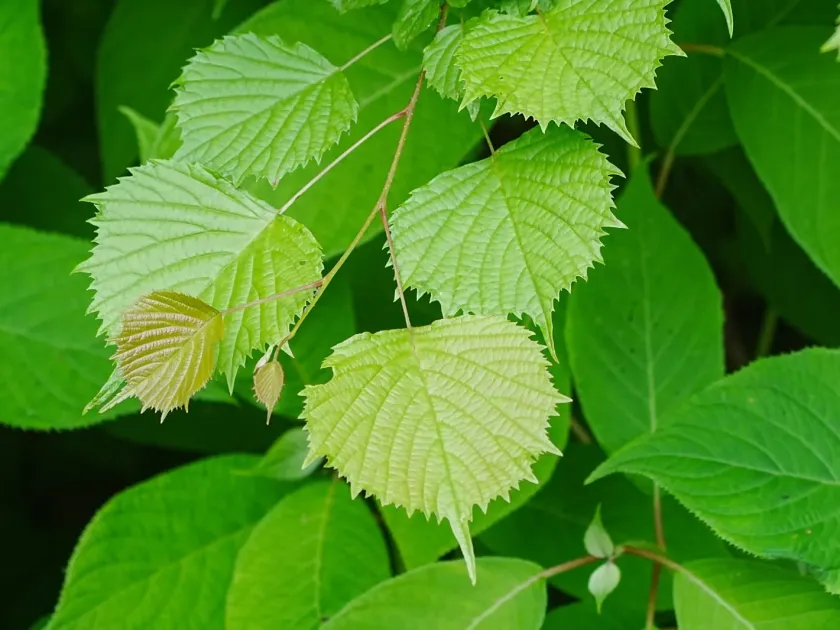
Description
Growing requirements
Euptelea polyandra, commonly known as the Japanese Euptelea, is a deciduous shrub or small tree belonging to the Eupteleaceae family. Native to the mountainous forests of Japan, it is cherished for its graceful habit and unique, early spring appearance.
The species thrives in moist, well-drained, and nutrient-rich soils. In agricultural or horticultural settings, it is best placed in areas that simulate its native forest habitat, ensuring the soil remains consistently hydrated without becoming waterlogged.
When choosing a location, partial shade is highly recommended. While the plant can tolerate some sunlight, the tender leaves are susceptible to scorch if exposed to intense, direct afternoon sun during the peak of summer.
Euptelea polyandra prefers cool, temperate climates and requires protection from cold, drying winds. It exhibits moderate hardiness and is best suited for sheltered garden corners or under the canopy of larger, established trees.
Its primary use is ornamental, often utilized in woodland gardens or as a specimen plant. The distinctive red flowers, which lack petals and sepals and feature many stamens, provide a fascinating visual display long before the foliage fully unfurls.
Main diseases and pests
This species is generally considered robust and free from significant pest issues when grown in appropriate conditions. The most common threats arise from environmental stress rather than external pathogens.
Root rot caused by poor soil drainage remains the primary threat to the plant's longevity. Implementing a proper drainage system and avoiding over-irrigation are critical preventative measures for a healthy specimen.
In hot and dry conditions, spider mites may become problematic. Gardeners should monitor the foliage for fine webbing and discolouration, managing outbreaks with targeted insecticidal soaps or water sprays.
Mildew can occasionally affect the leaves if air circulation is insufficient within the canopy. Ensuring adequate spacing between plants and performing light pruning helps maintain airflow and reduces the risk of fungal development.
Regular maintenance, including the removal of dead or broken wood, is essential to prevent entry points for secondary wood-decay fungi. Maintaining plant vigor through mulching often renders chemical treatment unnecessary.