
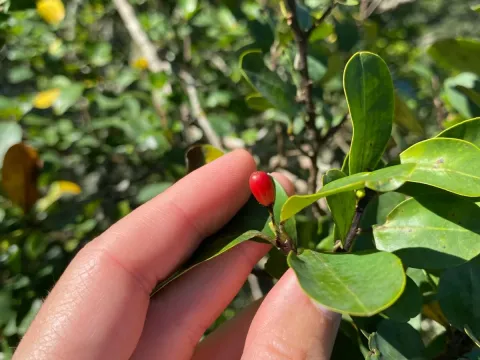
Erythroxylum
Erythroxylum
Propagation of Erythroxylum is primarily achieved through seeds or vegetative cuttings, with the latter being preferred in professional agricultural settings for trait consistency.
What the section contains

Erythroxylum
Seeds must be planted immediately after harvest as they possess a very short viability window, requiring a light, humus-rich, and well-draining substrate to germinate effectively.
Maintaining a consistent soil temperature of approximately 25-30 degrees Celsius is critical for high germination rates, alongside keeping the environment adequately humid.
When using cuttings, it is essential to utilize rooting hormones and maintain a high-humidity environment within a nursery setup to prevent the desiccation of the plant material.
Seedlings should be nurtured in protected areas until they reach a robust size of 30-40 centimeters before being transplanted into their permanent field positions during the wet season.
Erythroxylum is a member of the Erythroxylaceae family, well-adapted to the specific environmental conditions found in tropical regions with high rainfall and constant temperatures.
The ideal cultivation environment is characterized by stable temperatures ranging from 20 to 30 degrees Celsius, with no frost or significant seasonal fluctuations that could stress the plants.
Soil requirements focus on acidity levels between 5.5 and 6.5, with excellent structural drainage to prevent any possibility of root rot caused by water stagnation.
Although the plant thrives in bright, sunny areas, it often benefits from light shading in its early developmental stages to protect it from extreme solar intensity and heat stress.
A consistent moisture regime is vital; while the plant requires significant rainfall, the soil must be aerated enough to ensure oxygen exchange for the root systems.
The yield of Erythroxylum is primarily measured by the total weight of leaves harvested per year, which is influenced by soil fertility, irrigation, and pruning frequency.
Harvesting usually begins when the plants are around 1.5 to 2 years old, once the canopy has developed sufficiently to support multiple harvesting cycles without damaging the plant.
By implementing strategic pruning, farmers can stimulate vigorous new leaf growth, allowing for multiple harvests annually, which maximizes the overall output of the plantation.
Plantations are typically productive for a period of up to 10 years, after which the rate of leaf regrowth slows significantly and the bushes are usually replaced by younger stock.
Optimizing plant density per hectare and applying appropriate nitrogen-based fertilizers are the key agricultural drivers for increasing the final yield and quality of the biomass.
Fungal infections represent a major threat to the health of the crop, especially in areas with poor air circulation or excessively high humidity levels throughout the year.
Pests such as spider mites and various lepidopteran larvae can cause significant leaf damage, which reduces photosynthetic capacity and lowers the overall yield and market value.
Root system pathogens, particularly those linked to waterlogged soils, can lead to widespread plant dieback and require careful management of drainage infrastructure.
Integrated pest management, including the use of beneficial insects and biological controls, is highly recommended to manage pest populations without harming the sensitive plants.
Sanitation practices, such as removing fallen leaves and thinning out dense branches, are essential to maintain a healthy plantation and prevent the spread of diseases.
Harvesting is an intensive process performed by hand to ensure that only fully mature leaves are selected, while delicate buds are left intact for continued development.
The timing of the harvest is crucial, as leaves should be collected when they reach their peak size and textural maturity, indicated by a specific dark green coloration.
Post-harvest handling requires quick transportation to a drying facility to prevent fermentation, which could degrade the biological integrity of the leaf tissues.
Drying is performed under controlled conditions with steady airflow and mild temperatures to ensure the product retains its quality and prevents the development of mold.
Proper storage is mandatory, involving moisture-proof and dark containers to protect the dried biomass from degradation caused by environmental exposure and light.