
Erythroxylum cuneatum
Erythroxylum cuneatum
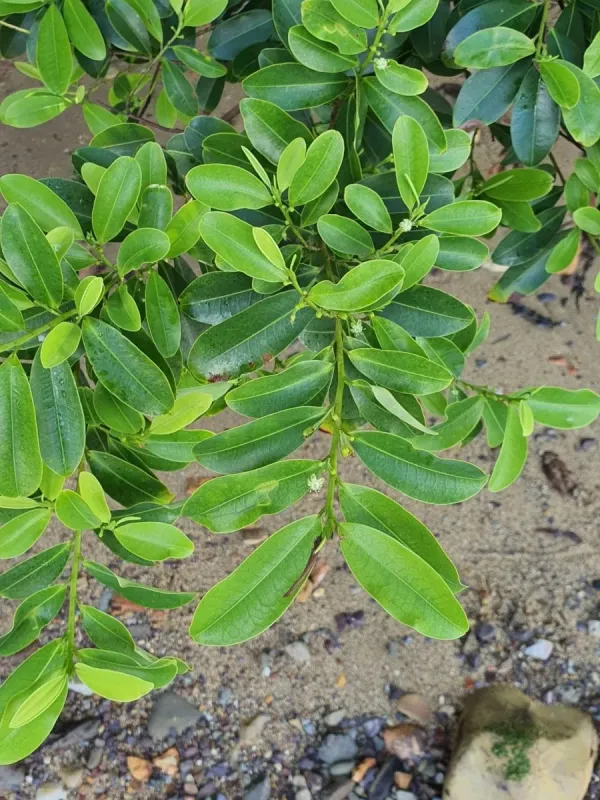
Description
Growing requirements
Erythroxylum cuneatum is a distinct woody perennial species belonging to the Erythroxylaceae family. It is native to the tropical regions of Southeast Asia, thriving in the warm and humid conditions of evergreen forests where it forms a part of the understory and sub-canopy vegetation.
The cultivation of this species requires a strictly tropical environment with minimal temperature fluctuations. Ideal growth is observed in regions where temperatures remain consistently between 22°C and 30°C, as the plant is highly sensitive to frost and cold winds that can damage its foliage.
Soil requirements for Erythroxylum cuneatum include deep, well-draining, and nutrient-rich substrates. While the plant can tolerate a range of soil acidity, it performs best in slightly acidic to neutral soils with high organic matter content, mimicking the forest floor environment.
Agricultural management involves careful irrigation, especially during the establishment phase. While the species is adapted to moisture-rich habitats, waterlogging must be avoided to prevent root diseases. Maintaining high relative humidity is equally essential for optimal metabolic function.
Economically, Erythroxylum cuneatum is valued for its unique phytochemical profile. It serves as a subject of botanical interest and is often utilized in local traditional systems for its bioactive compounds, which are extracted from the bark and leaf structures for diverse applications.
Main diseases and pests
The primary health risks for this culture involve fungal infections, specifically those affecting the roots if drainage is inadequate. Standard horticultural practices such as pruning and site selection are essential for maintaining the health of the specimens.
In terms of pests, scale insects and mealybugs are the most common threats that can affect the plant's vitality. Integrated pest management strategies, focusing on biological control and environmental monitoring, are recommended to preserve the integrity of the crop.