
Coca shrub
Erythroxylum coca Lam.
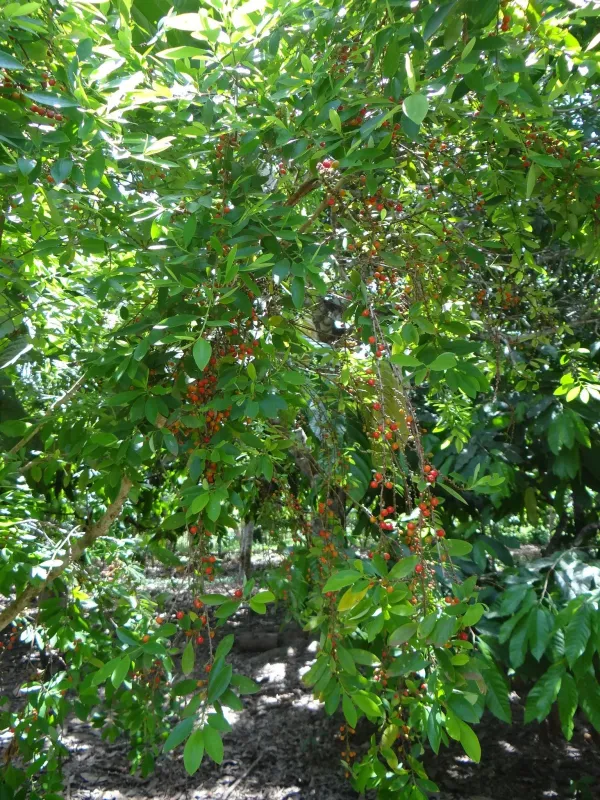
Description
Sowing dates
The propagation of the coca shrub is primarily achieved through seeds, which require immediate planting after harvest due to their extremely short viability period.
Seeds are sown in well-drained, organic-rich nursery beds under controlled conditions, maintaining high humidity and a stable temperature around 25 to 28 degrees Celsius.
Germination can be slow and sporadic; therefore, careful selection of seeds and pre-sowing treatment to remove the pericarp is essential for better results.
Seedlings are kept in shaded areas to protect them from intense sunlight during the early stages of development until they are robust enough for transplantation.
Vegetative propagation via semi-hardwood cuttings is also a common practice, utilizing rooting hormones to ensure successful establishment in the field.
Growing requirements
Erythroxylum coca is a member of the Erythroxylaceae family, well-adapted to the humid tropical environment of South America, specifically the Andean slopes.
The crop thrives in acidic, well-aerated soils with excellent drainage, as the roots are highly susceptible to rot in waterlogged or heavy clay conditions.
A stable climate with consistent rainfall and high relative humidity is crucial for optimal growth, typically requiring levels between 70 and 80 percent.
The shrub is semi-shade tolerant, preferring filtered light conditions, which mimic the natural understory environment of its native tropical habitats.
Adequate management of nutrient levels, particularly nitrogen and potassium, is necessary to support the continuous production of foliage throughout the growing season.
Yield
Commercial production of coca leaves typically begins around the third year after planting, once the plant has established a sufficiently dense canopy.
An established plantation can produce several harvests per year, depending on the climatic conditions and the intensity of the agricultural maintenance provided.
Proper pruning techniques are employed to maintain the shrub at a manageable height, which facilitates manual harvesting and encourages the growth of new foliage.
The total biomass yield is influenced by plant density, with optimal spacing allowing for proper air circulation and sunlight exposure for each individual plant.
With consistent care, a coca plantation can maintain high productivity for approximately two decades before requiring field renovation or replanting.
Main diseases and pests
Fungal diseases, such as leaf spot, are the most significant threats to the crop, often arising from excessive moisture and inadequate air movement within the foliage.
Root pathogens, particularly species causing damping-off and rot, pose a major risk to plant health, especially in poorly drained soil environments.
Pests like scale insects, mites, and various leaf-eating caterpillars can significantly diminish leaf quality and overall plantation vigor if not managed promptly.
Soil-borne nematodes are another common problem, causing stunting and yellowing, which eventually leads to the decline of the shrub's health and productivity.
Integrated pest management strategies are essential, involving regular field inspections and the use of preventative cultural practices to maintain a healthy crop.
Harvesting
Harvesting is performed exclusively by hand to ensure that only mature, high-quality leaves are selected without damaging the delicate apical buds.
The leaves are harvested when they reach a specific stage of maturity, characterized by a change in texture and color, indicating peak alkaloid content.
Post-harvest handling requires immediate processing to prevent oxidative degradation and moisture buildup, which can compromise the quality of the raw material.
Drying is a critical step, conducted in shaded, well-ventilated structures to remove moisture slowly while preserving the chemical profile of the leaves.
Once dried, the leaves are carefully stored in cool, dry conditions to protect them from environmental factors and maintain their structural integrity until final use.