
Sherriff's rhododendron
Rhododendron sherriffii
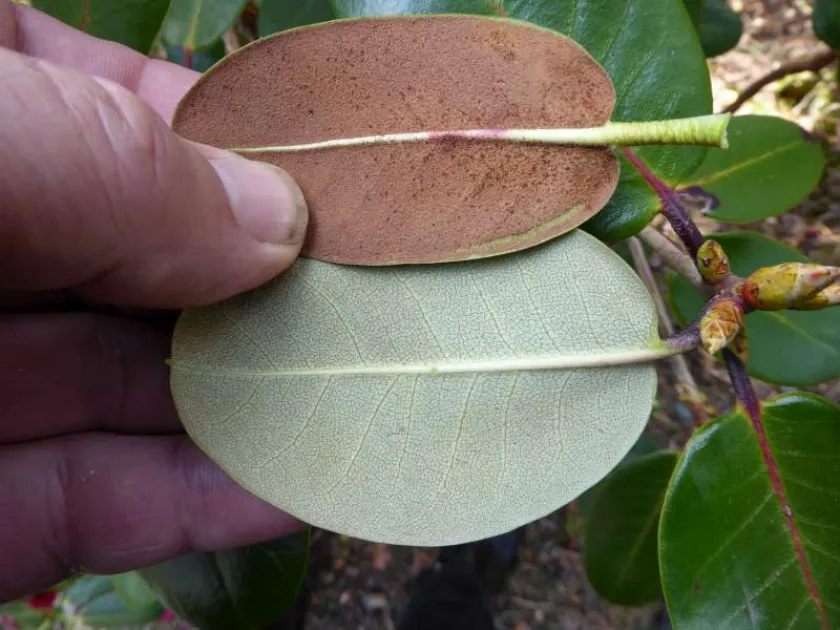
Description
Growing requirements
Sherriff's rhododendron (Rhododendron sherriffii) is an evergreen shrub belonging to the Ericaceae family, widely recognized for its unique aesthetic and botanical value.
The species is native to the high-altitude regions of the Himalayas, specifically found in eastern Bhutan, where it thrives in cool, misty mountain environments.
It requires a specialized microclimate characterized by consistently high air humidity and protection from direct, intense sunlight, which mimics its native alpine habitat.
The soil must be acidic, loose, and rich in organic matter to provide the necessary conditions for the development of its delicate, fibrous root system.
Cultivation practices emphasize the importance of using peat-based or coniferous mulch, which maintains optimal soil moisture and prevents extreme temperature fluctuations around the roots.
Main diseases and pests
The primary pathological threats to this plant include root rot caused by Phytophthora species, which often occurs due to poor drainage and waterlogged soil conditions.
Foliar diseases such as powdery mildew or various leaf spot fungi may manifest when humidity levels are high and air circulation around the shrub is inadequate.
Insect pests, particularly spider mites and lace bugs, frequently infest the foliage, leading to yellowing, speckling, and a general decline in the plant's decorative appearance.
Integrated pest management, including regular inspection and timely application of targeted organic or synthetic treatments, is essential for maintaining plant vigor.
Maintaining soil pH balance is also a critical health factor, as iron deficiency often leads to chlorosis, making the shrub more susceptible to environmental stress and secondary pests.