
Sidebells wintergreen
Orthilia secunda
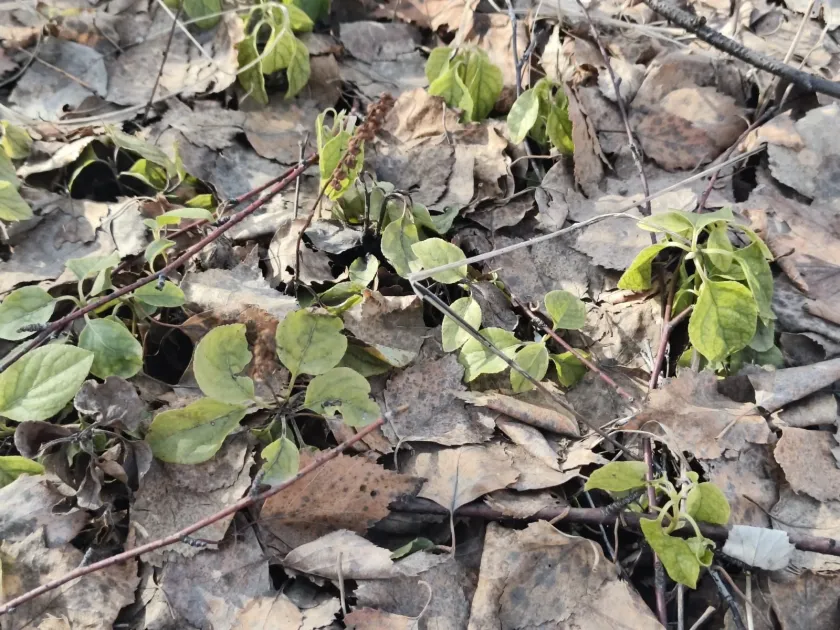
Description
Growing requirements
Orthilia secunda, commonly known as sidebells wintergreen, belongs to the Ericaceae family. It is a hardy, evergreen perennial herb characterized by its distinct one-sided raceme of nodding, greenish-white flowers.
The plant is native to the northern temperate and boreal zones, thriving in coniferous forests and cool, shaded habitats. To cultivate it successfully, one must mimic the moist, acidic conditions of its natural forest floor.
Soil requirements are strict: the substrate must be highly organic, well-draining, and acidic, typically with a pH between 4.5 and 5.5. Incorporating pine needles or peat is often necessary to maintain these conditions.
Light management is crucial, as the plant is shade-tolerant and prefers dappled sunlight. Excessive direct solar radiation can scorch the leaves and significantly reduce the vigor of the plant cluster.
Moisture control is a critical aspect of its agrotechnology. The soil should remain consistently moist, but waterlogging must be avoided to prevent root rot, which is a common threat to this species in cultivation.
Harvesting
Orthilia secunda has a long history of utilization in folk medicine, particularly for its bioactive compounds, including arbutin and various flavonoids that provide therapeutic health benefits.
The harvest period typically aligns with the plant's flowering phase, occurring in mid-to-late summer. During this time, the levels of secondary metabolites are at their peak throughout the aerial parts.
When harvesting, sustainable practices are essential to ensure the longevity of the patch. Collectors should avoid over-harvesting specific spots to allow the plant to propagate via its creeping rhizomes.
Drying is performed in dark, well-ventilated areas to maintain the integrity of its volatile oils. High heat must be avoided, as it degrades the active components that make the plant medically relevant.
The finished, dried herbal material should be stored in airtight containers, protected from light and humidity, to preserve its chemical profile for future use in herbal preparations.