
Sheep laurel
Kalmia angustifolia L.
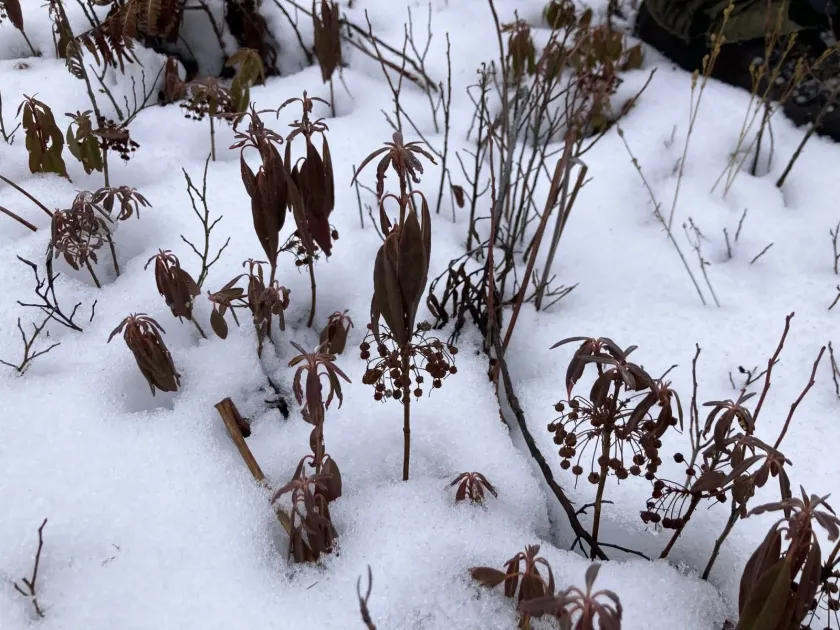
Description
Growing requirements
Sheep laurel (Kalmia angustifolia) is an evergreen shrub belonging to the Ericaceae family, native to the northeastern regions of North America. It is naturally adapted to acidic, nutrient-poor, and moist soils, often found in heathlands and open woodlands.
Cultivation requires specific soil conditions, with a preferred pH between 4.5 and 5.5. The soil should be well-drained, rich in organic matter like peat or pine bark, and maintained at a consistent level of humidity throughout the growing season.
The climate requirements involve cool to moderate summers and sufficient winter hardiness. While the shrub thrives in temperate zones, it benefits from protection against dry, desiccating winds that can damage its foliage during the dormant season.
Exposure to partial shade is generally optimal, as intense afternoon sunlight can scorch the leaves and overheat the shallow root system. A layer of organic mulch is essential to maintain soil temperature and prevent rapid evaporation.
Economically and horticulturally, this plant is used exclusively for ornamental purposes. It is highly valued in landscape design for its compact growth habit, persistent evergreen leaves, and striking clusters of bowl-shaped pink flowers.
Main diseases and pests
The most significant disease threats include root rot and blight, primarily caused by waterlogged soil conditions and poor drainage. Proper site selection and maintaining aeration are the best preventive measures for healthy root development.
Leaf spot diseases can occur during periods of high humidity and poor airflow. Managing plant density and removing infected leaves can help keep the population of pathogenic fungi in check within a garden setting.
Insects like scale insects and spider mites are common pests that feed on the sap of the shrub. Early detection and the use of horticultural oils or systemic insecticides are recommended to prevent severe infestations.
Soil-dwelling larvae can periodically damage the root zone, leading to stunted growth or decline. Applying appropriate soil drenches and ensuring a balanced nutrient program supports the plant's natural resistance to these pressures.
It is critical to note that all parts of the sheep laurel contain grayanotoxins, making it highly toxic to livestock and humans. Gardeners should ensure the plant is placed away from grazing areas to avoid accidental ingestion.