
Mountain laurel
Kalmia latifolia L.
Description
Growing requirements
Mountain laurel (Kalmia latifolia L.) is a stunning evergreen shrub belonging to the Ericaceae family, native to the eastern United States. Known for its spectacular clusters of cup-shaped flowers, it is a prized specimen for temperate gardens and naturalistic landscaping.
Successful cultivation of this shrub requires well-drained, acidic soil rich in organic matter. It thrives best in environments that mimic its woodland habitat, where leaf litter and pine needles naturally maintain the soil's acidity and provide essential nutrients for its delicate root system.
Light requirements are quite specific; while Mountain laurel can tolerate shade, it flowers most profusely when given partial sun. However, it must be protected from intense afternoon sunlight, which can scorch its leathery, dark green foliage and lead to moisture stress.
Regarding climate, the plant is hardy but benefits from a layer of mulch to protect its shallow roots from drastic temperature fluctuations. Proper air circulation is vital, as it helps prevent the buildup of humidity around the foliage, which is essential for maintaining plant health.
In landscaping, it serves as a focal point in shade gardens or as part of an understory planting scheme. When paired with other acid-loving plants like azaleas and blueberries, it creates a cohesive and visually striking environment that is both sustainable and aesthetically pleasing.
Main diseases and pests
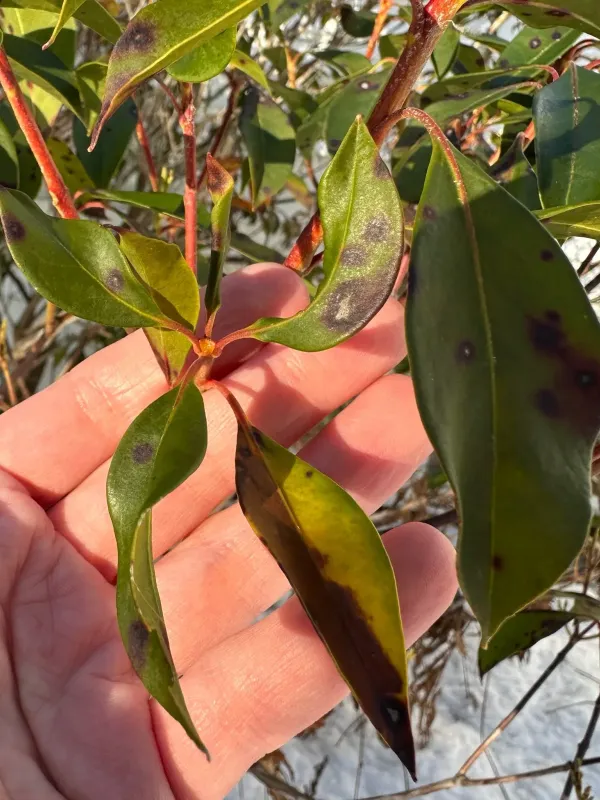
Leaf spot diseases are common issues, especially in areas with high humidity or poor drainage. These infections can cause unsightly brown or gray spots on the foliage; removing affected branches and ensuring optimal airflow can significantly reduce the spread of such pathogens.
Phytophthora root rot is a serious threat often associated with heavy or waterlogged soils. This disease is difficult to treat once established, making preventative measures like choosing a high-elevation or sloped planting site essential for the plant's long-term survival.
Insect pests, including lace bugs and scale insects, frequently target the foliage. Lace bugs, in particular, cause stippling on the upper leaf surface, which can lead to premature leaf drop if the infestation is not managed with timely horticultural oil or systemic treatments.
Vine weevils may also pose a challenge, as their larvae feed on the roots and can cause the shrub to decline suddenly. Monitoring the soil and using biological controls or targeted insecticides can help manage these pests before they reach a stage that threatens the plant's stability.
It is important to remember that all parts of the Mountain laurel are toxic if ingested, which naturally discourages large herbivores. While this protects the shrub from deer browsing, caution should be exercised when planting in areas accessible to pets or children.