
Daboecia azorica
Daboecia azorica
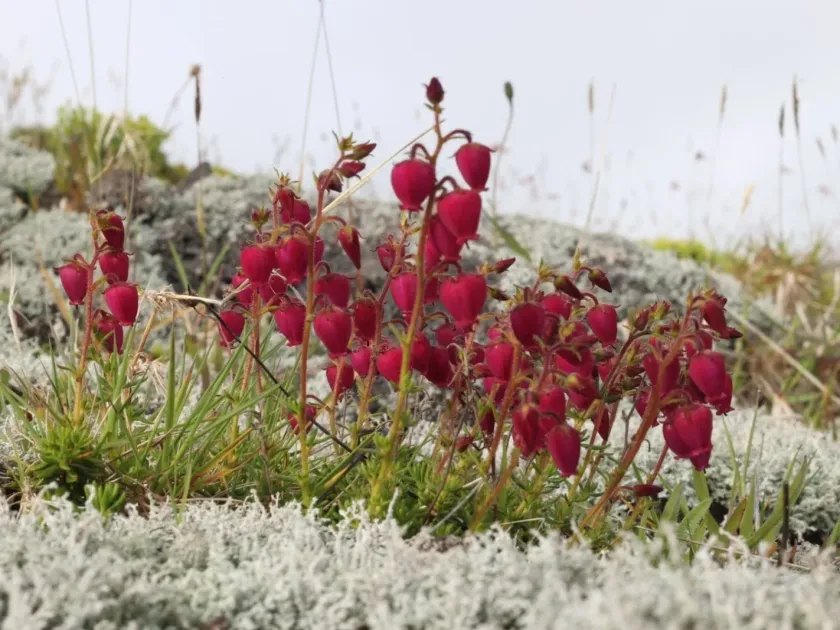
Description
Growing requirements
Daboecia azorica is a low-growing, evergreen shrub that belongs to the Ericaceae family. It is native to the Azores, where it thrives in mild, humid oceanic environments characteristic of its habitat.
The plant features small, dark green leaves with a distinct pubescence on the underside, providing an adaptation to retain moisture. Its growth habit is typically spreading, reaching heights of approximately 20 to 30 centimeters.
Successful cultivation requires highly acidic soil conditions rich in organic matter. Gardeners must ensure excellent drainage as the plant is susceptible to root rot if the soil remains waterlogged for extended periods.
Cultural practices include selecting a semi-shaded location and protecting the plant from harsh, drying winds. Maintenance involves consistent watering with soft or acidified water to preserve the necessary soil acidity levels.
The primary use for Daboecia azorica is ornamental landscaping. It is highly valued for its bell-shaped flowers, making it an excellent choice for rock gardens, heather beds, and containers in temperate climate zones.
Main diseases and pests
Root pathogens, such as Phytophthora species, are the most significant threats to Daboecia azorica. These diseases are usually triggered by poor drainage or overly compacted soil conditions.
Insect pests including spider mites and various nematodes can cause decline in vigor. Regular monitoring and maintaining proper plant hygiene are essential to mitigate these risks in both garden and nursery settings.