
Daboecia scotica
Daboecia scotica
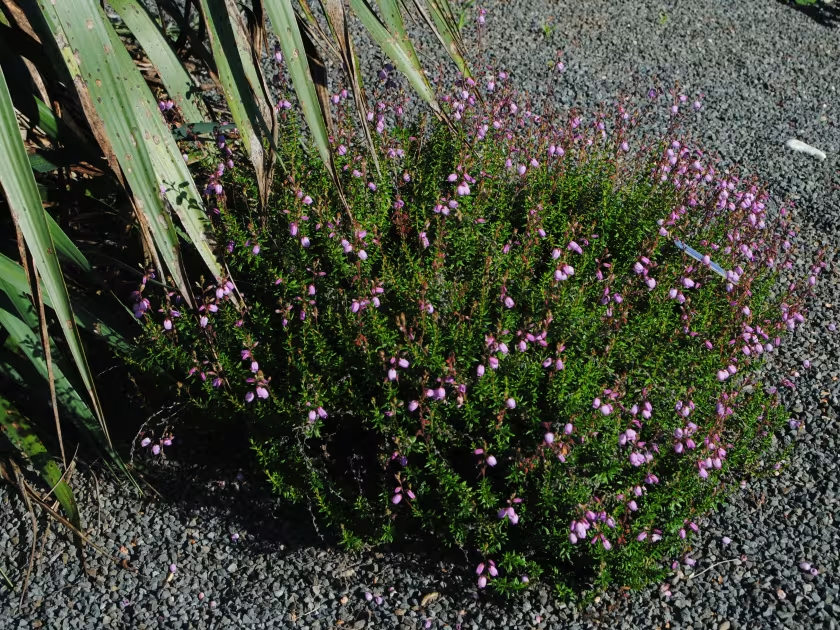
Description
Growing requirements
Daboecia scotica, commonly known as the Scottish heath, is an evergreen subshrub belonging to the Ericaceae family. It is a natural hybrid derived from Daboecia cantabrica and Calluna vulgaris, exhibiting distinct morphological traits such as smaller leaves and unique flower clusters.
The plant originates from the damp, cool climates of the British Isles and Ireland. It thrives in open, heathland environments where acidic soils are prevalent. In cultivation, it performs best in soils with a pH ranging from 4.5 to 5.5, which is essential for nutrient uptake.
Cultivation requirements necessitate well-drained but consistently moist soil. Daboecia scotica is highly intolerant of waterlogged conditions, which frequently cause root rot. Therefore, adding grit or perlite to the planting hole is highly recommended for improved drainage.
Climatically, this species prefers mild summers and cool, moist winters. While it is hardy, extreme frost can damage the foliage; providing a layer of mulch or protective cover is advisable in regions with harsh winter temperatures to insulate the root system.
In terms of usage, the plant is primarily utilized for ornamental landscaping. It is a staple in rock gardens, heather beds, and borders. Its prolonged blooming season, often extending from summer through autumn, makes it a valuable asset for maintaining floral interest in the garden.
Main diseases and pests
The primary threats to Daboecia scotica are fungal pathogens, most notably Phytophthora, which can decimate plants in poorly drained soils. Symptoms include sudden wilting followed by the rapid browning of stems and foliage.
Powdery mildew can become an issue during periods of high humidity and poor air circulation. Proper spacing between individual plants is necessary to prevent the spores from spreading rapidly during the growing season.
Vine weevils are significant insect pests that target the root zone. Their larvae consume the root system, often going unnoticed until the plant shows signs of severe stress or collapse, requiring immediate intervention with biological or chemical controls.
Botrytis, or grey mold, may affect the flower spikes during exceptionally wet summers. Removing affected blooms and applying systemic fungicides can mitigate the spread and protect the aesthetic value of the plant.
Maintaining proper soil health is the best defense against threats. Mulching with acidic materials like pine needles or chipped bark helps regulate soil moisture and suppresses weeds, reducing the stress that often precedes pest or disease outbreaks.