
Cassiope fastigiata
Cassiope fastigiata
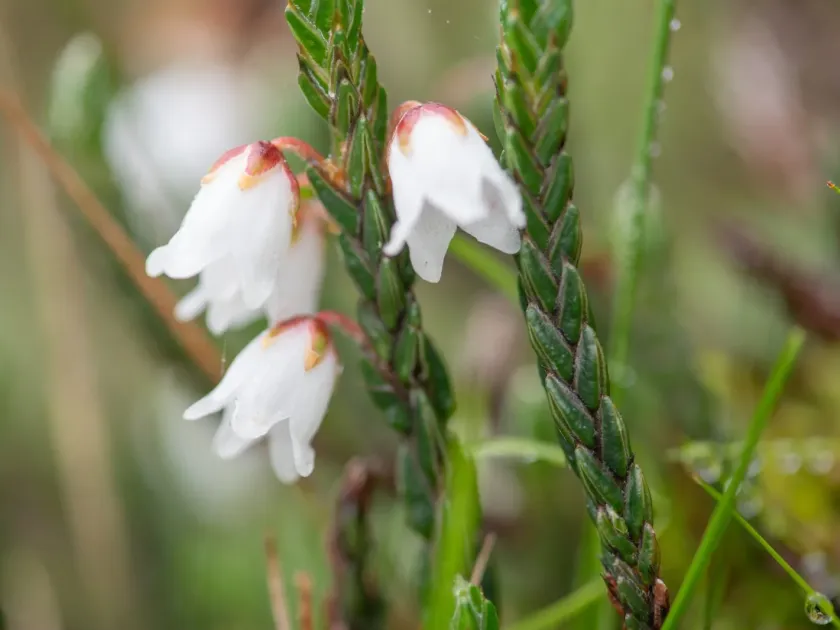
Description
Growing requirements
Cassiope fastigiata demands a highly specific soil medium. It thrives in acidic, well-draining, and loose soil rich in organic matter, such as peat or pine needle compost. Proper drainage is the most vital factor, as the plant cannot tolerate any form of waterlogging at its roots.
Light requirements involve partial shade or a site protected from the harsh afternoon sun. While it requires light to develop flowers, direct solar radiation in low-altitude gardens can lead to leaf scorching and severe stress, ultimately weakening the shrub.
Temperature control is crucial. The plant performs best in regions where summer temperatures remain cool. To maintain the soil temperature at an acceptable level, growers often use top-dressing with light-colored grit or gravel, which reflects heat and keeps the moisture steady.
Watering should be performed consistently using soft, acid-balanced water. Rainwater is the preferred choice, as tap water often contains minerals that can increase the pH of the soil, which is detrimental to the health of this acid-loving species.
Winter care involves ensuring the plant is protected from severe, drying winds while maintaining good air circulation. In areas without consistent snow cover, providing a light protective covering can prevent the evergreen foliage from losing too much moisture during cold spells.
Main diseases and pests
The most significant threat to Cassiope fastigiata is root rot caused by poor soil drainage and stagnant water. Once the root system begins to decay, the plant is extremely difficult to revive, emphasizing the importance of a porous, well-draining substrate from the start.
Pests are generally not a major concern; however, red spider mites may appear if the ambient humidity is too low. Regular monitoring and maintaining high humidity around the plant are effective, non-chemical methods for preventing mite infestations.
Fungal issues, such as powdery mildew, can occur in poorly ventilated areas or under glass. Ensuring that the foliage stays dry and that there is constant airflow around the plant will significantly reduce the risk of such infections spreading.
Chlorosis is a common symptom of improper soil pH levels. If the leaves turn pale or yellow, the acidity of the soil should be checked immediately and corrected with appropriate amendments, as the plant is highly sensitive to the mineral composition of its medium.
Mechanical damage to the roots during handling or transplanting should be avoided at all costs. The root structure of Cassiope is delicate and symbiotic with mycorrhizal fungi; any disturbance can shock the plant and leave it vulnerable to secondary infections.