
Bryanthus musciformis
Bryanthus musciformis
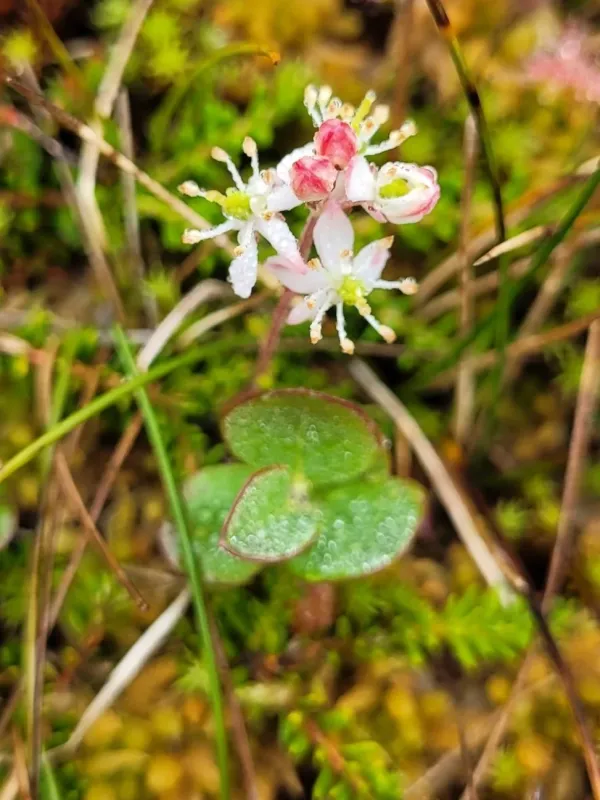
Description
Growing requirements
Bryanthus musciformis is a low-growing, evergreen shrub species classified within the Ericaceae family. Known for its moss-like, cushion-forming growth habit, this plant is highly prized in specialized gardening and alpine plant collections.
The plant originates from the high-altitude regions of Eastern Asia, specifically found in Japan and the Kuril Islands. Its biological evolution has adapted it to thrive in rugged, rocky alpine environments where drainage is naturally excessive.
The agricultural success of this crop depends heavily on soil composition. It requires acidic, well-draining substrates rich in organic matter like peat or decomposed pine needles. The pH levels must be kept low to ensure nutrient uptake.
Environmental conditions must mimic its native habitat. This includes a preference for cool climates with high atmospheric humidity. Extreme heat or drought can cause rapid decline in the plant's vigor, necessitating careful placement in semi-shaded areas.
As a slow-growing species, it does not fit into conventional commercial farming models. However, it is a specialized crop for nurseries focusing on rare botanical species and ornamental alpine plants, where meticulous care is standard practice.
Main diseases and pests
The primary threats to Bryanthus musciformis include root-rot pathogens, which typically manifest when soil drainage is compromised. Once the roots are damaged by fungal activity, the plant is extremely difficult to recover.
Poor ventilation within the plant canopy can lead to the growth of various molds and fungal blights, particularly if the plant is grown in containers or restricted areas with limited airflow.
Pests such as spider mites represent a common problem, especially in indoor environments or dry greenhouse conditions. These pests can cause significant leaf damage, weakening the plant's overall photosynthetic capability.
Control strategies should focus on integrated pest management, prioritizing cultural practices like thinning and careful water management over chemical interventions, which the plant may find phytotoxic.
Proactive maintenance, including the removal of dead foliage and regular observation of leaf coloration, is essential for early detection of potential stress factors, ensuring the longevity of the plant population.