
Acrotriche depressa
Acrotriche depressa
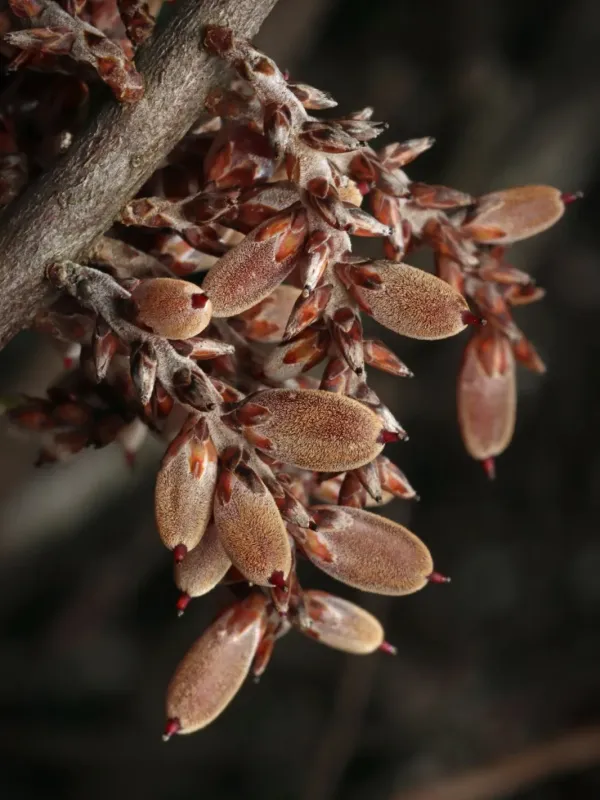
Description
Growing requirements
Acrotriche depressa is an evergreen shrub belonging to the Ericaceae family, widely recognized for its adaptation to the harsh, dry environments of southern Australia. It typically grows as a compact, spreading groundcover or a small shrub reaching up to 60 centimeters in height.
The botanical structure of the plant includes rigid, small leaves and inconspicuous, tubular flowers that grow close to the stems. This evolutionary design helps the plant conserve moisture and attract specific local pollinators in its native habitat, which consists mainly of sandy heaths and open forests.
In terms of cultivation requirements, Acrotriche depressa demands soil with excellent drainage properties. Growers must ensure that the planting medium includes a high percentage of grit or sand to prevent root rot, which is the most common cause of failure for this species.
The climate preference for this species is Mediterranean-like, characterized by mild winters and dry, warm summers. While it is naturally drought-tolerant, young specimens require consistent monitoring to ensure they establish properly before facing full environmental exposure.
The primary economic use of this plant is in ornamental horticulture, specifically for xeriscaping and rock gardens. Its low-maintenance nature and unique foliage texture make it a popular choice for designers looking to incorporate authentic Australian native plants into sustainable landscape projects.
Main diseases and pests
Root rot caused by Phytophthora species is a major threat to Acrotriche depressa, especially when soil drainage is inadequate. This pathogen is highly aggressive in waterlogged, poorly aerated conditions.
Insects such as mealybugs and spider mites can infest the plant, particularly in glasshouse environments where air circulation is limited. Regular monitoring and physical removal are recommended for small-scale garden settings.
Nutrient deficiency, particularly iron or magnesium, can occur if the soil pH becomes too high. As an Ericaceae family member, it requires acidic to neutral soil to thrive and maintain its characteristic deep green foliage.
Over-fertilization with high-phosphorus fertilizers can be toxic to many Australian natives, including Acrotriche depressa. It is best to use fertilizers specifically formulated for native plants or compost tea in moderation.
Preventative care is essential for long-term survival. Maintaining optimal hygiene, using sterilized tools for pruning, and ensuring sufficient space between plants for airflow will significantly reduce the pressure from both diseases and pests.