
Schizocodon
Schizocodon
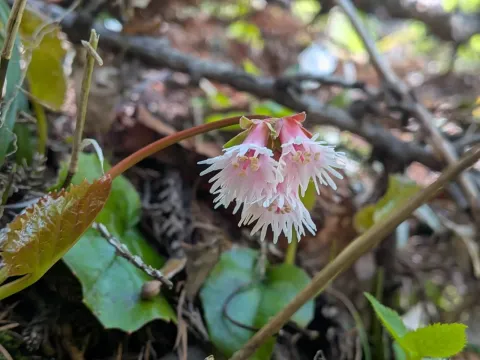
Schizocodon is a genus of evergreen perennial plants belonging to the family Diapensiaceae. These charming, low-growing plants are native to the mountainous regions of Japan, where they inhabit cool, moist, and shaded environments within forest ecosystems.
What the section contains

Schizocodon
The primary requirement for successful cultivation is a shaded or semi-shaded location. Schizocodon does not tolerate direct, intense sunlight, which can cause severe foliage scorch; therefore, it is best suited for woodland gardens or the northern side of rockeries.
The soil must be acidic, humus-rich, and possess excellent drainage properties. A substrate mixture consisting of peat, leaf mold, and coarse sand mimics their natural mountainous habitat and prevents the dangerous buildup of moisture around the root system.
High air humidity is crucial for the health of these plants. In regions with drier climates, growers should provide regular misting and maintain a thick layer of organic mulch, such as pine needles, to keep the root zone cool and consistently moist throughout the growing season.
Schizocodon is noted for its high cold hardiness, but it requires protection from desiccating winter winds. In colder climates, covering the plants with spruce boughs or horticultural fleece can prevent winter damage and ensure a vibrant, healthy start in the spring.
Fungal diseases are the most significant threat to Schizocodon, particularly when grown in stagnant air conditions or waterlogged soil. Maintaining proper spacing between plants and ensuring good air circulation are the best preventative measures against fungal infections.
Slugs and snails can also cause substantial damage to the foliage during the spring growing period. Vigilant monitoring and the use of physical barriers or snail pellets are necessary to protect the plant from these common garden pests during its most vulnerable stage of growth.