
Hypolytrum pulchrum
Hypolytrum pulchrum
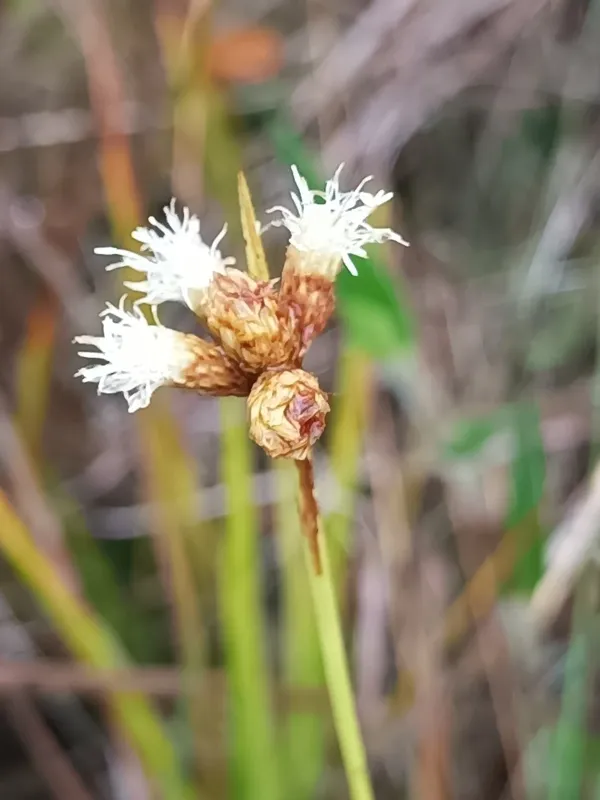
Description
Growing requirements
Hypolytrum pulchrum is a perennial herbaceous plant belonging to the Cyperaceae (sedge) family. It typically originates from tropical and subtropical regions characterized by significant rainfall and high ambient humidity, where it thrives in moist ecosystems.
Botanically, the plant is distinguished by dense tufts and narrow, linear leaves that provide efficient ground cover. Its root system is well-adapted to anaerobic soil conditions found in marshes, riverbanks, and other saturated environments, ensuring stability and nutrient uptake.
Regarding soil requirements, the species performs best in rich, organic-matter-laden substrates with a neutral to slightly acidic pH. Consistent soil moisture is essential for its vegetative growth, making it unsuitable for dry or drought-prone landscapes.
Climatic preferences include stable, warm temperatures and a lack of severe frost, as the species is sensitive to thermal stress. It demonstrates good tolerance to low-light conditions, often occupying the understory or riparian margins where direct sunlight is filtered.
In terms of agricultural utility, Hypolytrum pulchrum serves as a component of natural forage, though its nutritional value varies throughout the season. Further research is necessary to optimize its management for use in environmental restoration or specialized forage production.
Main diseases and pests
The primary threats to Hypolytrum pulchrum include fungal pathogens such as rusts and leaf spot fungi. These diseases flourish under conditions of excessive humidity and stagnant air, which can lead to significant biomass loss.
Insects, particularly foliage-feeding larvae and certain orthopterans, represent the most common pests. Their feeding activity can weaken individual plants and provide entry points for secondary bacterial or fungal infections.
Changes in the local hydrological cycle pose a significant risk, as any significant drainage of the soil disrupts the plant's physiological balance. Such stress renders the plant less resilient to competition from invasive weed species.
Management strategies for disease control involve ensuring proper spacing between plants to improve airflow and monitoring for early symptoms of chlorosis or necrotic lesions on the leaves.
While the species is inherently robust in its natural habitat, artificial cultivation requires careful monitoring to prevent outbreaks of pests that may occur due to higher plant density in controlled settings.