
Culcita
Culcita
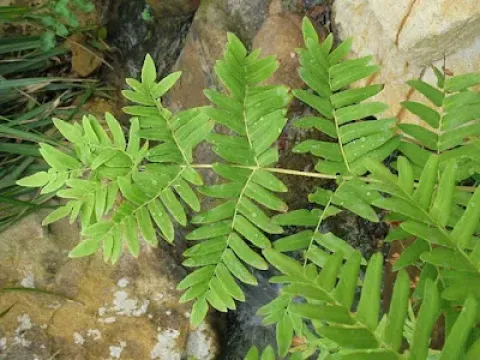
Culcita is a genus of tree ferns belonging to the Culcitaceae family. Native to tropical and subtropical regions across the Americas and Asia, these plants are known for their architectural beauty and their preference for humid, stable environments.
What the section contains


Culcita
The cultivation of Culcita requires careful attention to air humidity, which should consistently stay above 70%. In indoor conditions, utilizing humidifiers or pebble trays is essential to prevent the foliage from drying out or turning brown at the tips.
Soil requirements are strict, necessitating a well-draining, nutrient-rich substrate. A mixture of peat, perlite, and pine bark is often ideal, as it provides both the necessary moisture retention and the aeration required for healthy rhizome development.
Regarding light, Culcita thrives in filtered or indirect light conditions. They are sensitive to direct sunlight, which can easily scorch their lush fronds, therefore positioning them in a north-facing window or deep in a greenhouse is recommended.
These ferns are primarily used in ornamental horticulture as statement plants. Due to their slow growth rate and specific environmental needs, they are highly valued by collectors and are frequently found in botanical conservatories.
Mealybugs are one of the most common pests affecting Culcita. These insects settle in the dense parts of the plant and feed on plant sap, necessitating the use of systemic insecticides or manual removal with alcohol-soaked swabs.
Spider mites frequently target the plant during warmer months when indoor humidity levels might drop. Maintaining consistent moisture levels on the foliage helps deter these pests and keeps the plant in prime condition.
Root rot is the most lethal threat to Culcita, usually stemming from poor drainage or overwatering. Once roots begin to decay, recovery is difficult, emphasizing the importance of a porous potting mix and pots with adequate drainage holes.
Leaf spot diseases, often caused by stagnant air and water drops remaining on the leaves, can be mitigated by improving air circulation. Proper spacing between plants is crucial in greenhouse settings to minimize humidity traps.
Chlorosis, indicated by yellowing leaves, is often a sign of nutrient deficiency or incorrect pH levels. Regular application of a balanced, dilute liquid fertilizer during the growing season is necessary to support vibrant, green fronds.