
Culcita dubia
Culcita dubia
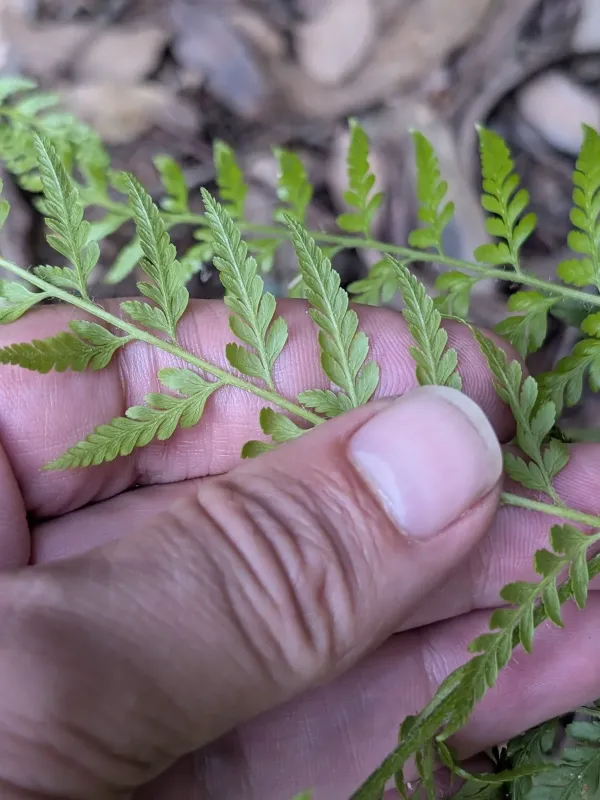
Description
Growing requirements
Culcita dubia is a remarkable perennial fern belonging to the Dicksoniaceae family. It is highly valued in botanical collections for its expansive, feathery fronds that grow in a delicate, cascading pattern, reflecting its adaptation to deep forest environments in its native regions.
The plant is native to the humid tropical areas of Australia and nearby oceanic regions. It thrives in shaded habitats where it receives filtered light and high atmospheric humidity, which are essential for maintaining the health of its tender, complex leaf structures throughout the growing season.
To cultivate Culcita dubia successfully, one must provide a well-draining, nutrient-rich soil medium. A mixture based on peat, perlite, and pine bark creates the ideal environment, ensuring that the root system receives sufficient oxygen while retaining enough moisture to support constant growth.
Light requirements for this species are specific: it must be kept in bright, indirect light. Direct sunlight can easily scorch the delicate foliage, leading to browning and irreversible tissue damage. A location near an east-facing window or a shaded greenhouse is usually the best choice.
Watering should be consistent, ensuring that the substrate stays moist but never waterlogged. The fern thrives in humid environments, which can be achieved through daily misting, the use of pebble trays, or mechanical humidifiers to simulate the tropical atmosphere of its native rainforest habitat.
Main diseases and pests
The most common disease threat to Culcita dubia is root rot, typically caused by improper drainage and overwatering. If symptoms like yellowing fronds or wilting appear, it is essential to check the roots immediately and transplant the plant into a fresh, airy substrate.
Pest infestations, particularly spider mites and scale insects, are significant risks for this plant, especially when kept in dry indoor conditions. Regular cleaning of the fronds with a damp cloth and maintaining high humidity levels are effective strategies to prevent these pests from becoming a severe problem.