
Xenostegia pinnata
Xenostegia pinnata
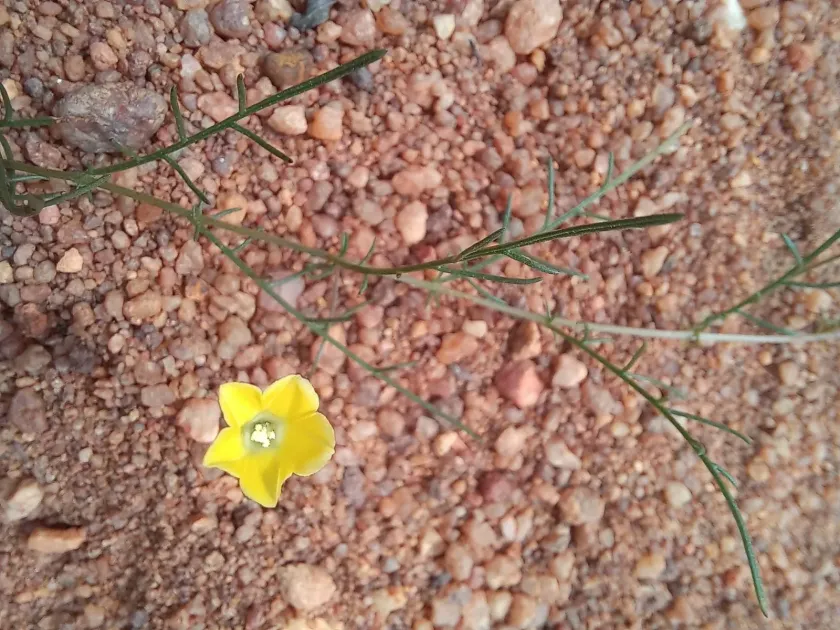
Description
Sowing dates
Sowing seeds of Xenostegia pinnata should occur only after the danger of frost has passed and soil temperatures have reached at least 20 degrees Celsius.
For regions with shorter growing seasons, starting seeds indoors in trays using a well-draining potting mix is highly recommended for success.
Seeds should be covered lightly with soil or vermiculite, as they require a warm environment and consistent humidity to germinate effectively within two weeks.
Spacing requirements are essential; seedlings should be transplanted to their final location at least 30 centimeters apart to allow for vigorous vine growth.
Proper bed preparation, including organic matter enrichment, is necessary before sowing to provide sufficient nutrients for the emerging young plants.
Growing requirements
This species thrives in full sun exposure, which is necessary to promote the development of lush foliage and maintain the plant's structural integrity.
Well-drained, sandy loam soils are ideal for the plant, as they prevent the root rot commonly associated with compacted or heavy clay soils.
Moderate irrigation is required, maintaining soil moisture without reaching saturation point, as Xenostegia is sensitive to waterlogged conditions.
As a tropical vine, the plant requires a stable, warm climate and will suffer significant damage or mortality if temperatures drop below freezing.
The installation of a trellis, stakes, or other support systems is vital, as the plant is a natural climber that needs structure to grow upwards.
Yield
The commercial yield of Xenostegia pinnata is primarily focused on the biomass of stems and leaves, which are harvested for medicinal and research purposes.
Regular pruning and maintenance practices can significantly increase the total harvestable biomass by stimulating the production of lateral shoots.
Seed production yields depend on the length of the growing season; in favorable climates, multiple harvest cycles for seeds can be achieved annually.
Optimizing fertilizer application, specifically nitrogen and phosphorus levels, contributes to a more robust yield of both foliage and botanical extracts.
Post-harvest processing, including controlled drying and milling, ensures the quality and shelf-life of the harvested material for future use.
Main diseases and pests
Aphids are the most common pests, frequently colonizing the tender growing tips and causing stunted growth if left unmanaged by the grower.
Powdery mildew represents a major fungal threat, particularly in environments with high humidity and poor air circulation around the foliage.
Root rot caused by various soil-borne pathogens can occur if the drainage system is inadequate, leading to the rapid decline of the entire plant.
Spider mites may infest the plant during dry, hot weather, leaving characteristic webbing and yellowing leaves that reduce photosynthetic efficiency.
Integrated pest management strategies, such as regular inspection and targeted applications, are necessary to protect the health of the cultivation area.
Harvesting
Harvesting the aerial parts of the plant is ideally performed at the onset of peak flowering to maximize the concentration of beneficial phytochemicals.
Cut stems should be processed immediately by drying them in a dark, well-ventilated space to preserve the chemical potency and aesthetic appearance.
When harvesting seeds, wait until the pods have turned brown and brittle to ensure the embryos are fully developed and viable for next year's planting.
It is important to wear gloves and use clean shears when harvesting to minimize the risk of spreading pathogens from one plant to another.
After the final harvest, clearing the field of debris prevents the accumulation of pathogens and ensures a cleaner environment for future rotations.