
Xenostegia tridentata
Xenostegia tridentata
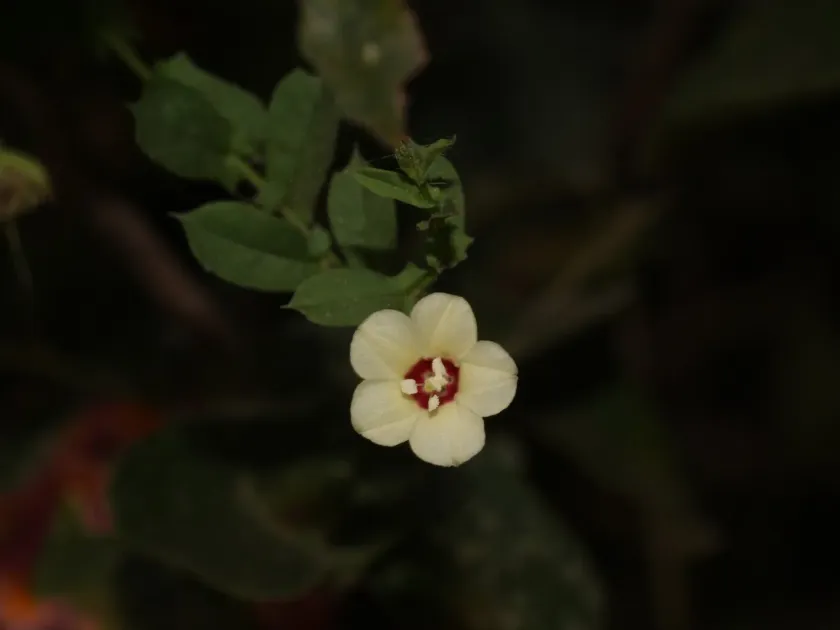
Description
Sowing dates
Xenostegia tridentata is a perennial herbaceous plant belonging to the Convolvulaceae family. In its natural tropical and subtropical habitat, seeds typically germinate after the rainy season when soil temperatures remain consistently warm and stable.
For agricultural cultivation, seeds should be sown in a well-drained medium at a depth of approximately 1–2 centimeters. Maintaining a stable temperature between +22 and +26 degrees Celsius is critical for high germination energy.
The optimal sowing time is during the spring season as daylight hours begin to increase. In greenhouse environments, the plant exhibits rapid initial growth and establishment of the root system.
The plant often propagates via self-seeding in natural habitats, forming dense ground cover. For commercial purposes, agronomists recommend pre-sowing seed stratification to ensure uniformity in seedling emergence.
Young plants are particularly sensitive to waterlogging during the first few weeks. Careful management of irrigation is necessary to prevent damping-off and promote robust early development of the vegetative system.
Growing requirements
The crop thrives in sunny, open locations with light sandy or loamy soils. Excellent drainage is essential, as the plant is highly susceptible to root rot when grown in heavy or waterlogged soil conditions.
Xenostegia prefers a tropical climate with moderate air humidity. It demonstrates significant resilience to temporary dry spells thanks to its deep and well-developed root system, which helps access deeper soil moisture.
The ideal soil pH for this crop ranges from 6.0 to 7.5. Excessive nitrogen fertilization should be avoided, as it tends to encourage excessive leaf growth at the expense of secondary metabolites and medicinal quality.
Protection from strong winds is recommended to preserve the integrity of the slender, twining stems. The optimal temperature for active vegetative growth is between +20 and +30 degrees Celsius.
High light intensity is crucial for the plant's health and the accumulation of biologically active compounds. Inadequate sunlight often leads to stunted growth and lower production of essential plant extracts.
Yield
The primary economic focus of Xenostegia tridentata is the harvesting of its aerial parts, including leaves and stems, for pharmaceutical use. Harvest should be timed with the peak flowering period to ensure maximum concentration of active ingredients.
With proper agrotechnical practices, the yield of dry biomass can be substantial. A critical post-harvest step is shade-drying the material to maintain the integrity of its complex chemical profile.
Productivity is highly dependent on regular irrigation and supplemental micro-fertilization to support overall plant immunity. As a perennial crop, it allows for scheduled pruning, which encourages healthy branching and subsequent regrowth.
Agronomists use controlled sampling methods to estimate potential yields and predict the output of raw extract. Modern techniques are increasingly being implemented to streamline the harvesting process in large-scale fields.
Quality control remains paramount, as the utility of the plant depends on the purity and timing of the harvest. Consistent yield results are achieved through strict adherence to soil management and crop rotation protocols.
Main diseases and pests
Xenostegia tridentata is susceptible to fungal infections like powdery mildew, which occurs in high humidity with poor air circulation. Proper plant spacing is the most effective preventive measure against such outbreaks.
Spider mites and aphids are the most common pests, particularly during hot and dry spells, as they target the soft tissues of young leaves. Regular field monitoring is essential for early detection and intervention.
Root nematodes can negatively impact the plant's performance, making soil disinfection necessary before establishing long-term plantations. Choosing clean, disease-free sites significantly minimizes these risks.
Slugs and snails often graze on young shoots, necessitating the use of physical barriers around the planting beds. Chemical pesticides should be avoided whenever possible to maintain the high quality of medicinal raw material.
Biological control strategies, such as the use of natural predators and botanical insecticides, are highly recommended to manage pest pressure while ensuring the environmental safety of the agricultural product.