
Stictocardia tiliifolia
Stictocardia tiliifolia
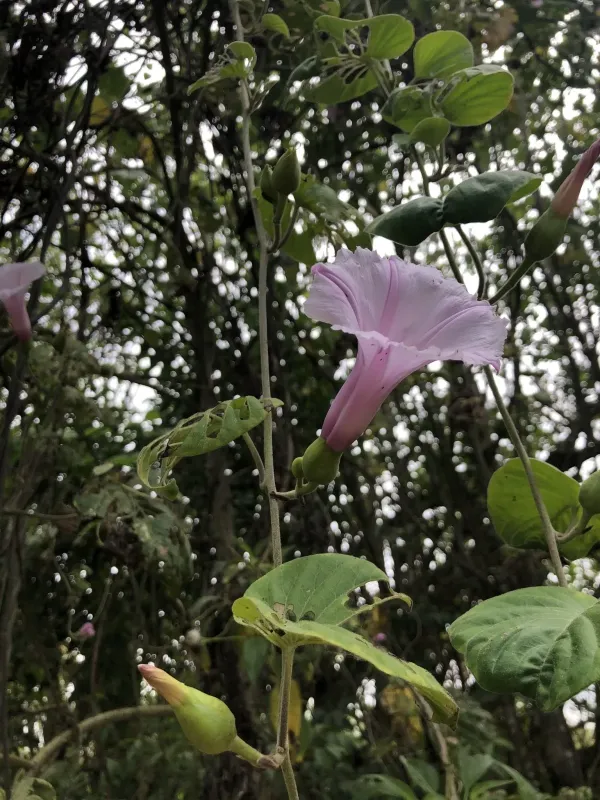
Description
Sowing dates
Propagation of Stictocardia tiliifolia is primarily achieved through seed sowing or stem cuttings. Due to the hard seed coat, seeds require scarification or soaking in warm water for 24 hours prior to planting to ensure uniform and efficient germination.
The optimal sowing time occurs after the risk of frost has completely passed. In tropical and warm temperate climates, this is typically late spring, as the soil temperature must remain consistently above 20 degrees Celsius for successful development.
Starting seeds in greenhouse conditions 4-6 weeks before transplanting allows for stronger initial growth. Individual containers are preferred to minimize root disturbance during the final relocation to the permanent outdoor site.
Sowing depth should be approximately 1-2 centimeters in a well-draining, nutrient-rich substrate. Consistent moisture levels must be maintained during the germination phase, but over-saturation should be avoided to prevent seed rot.
As a fast-growing climber, Stictocardia requires immediate access to support structures after germination. Trellises, fences, or netting must be installed early to guide the climbing habit of the vines effectively.
Growing requirements
Belonging to the Convolvulaceae family, this species originates from tropical environments and thrives in warm, humid conditions. It is highly sensitive to cold and requires a frost-free climate to reach its full potential during the growing season.
The plant demands a site with full sun exposure, although some light shade is acceptable during the peak heat of the day in intensely tropical regions. Sufficient light is the primary driver for vigorous growth and abundant floral production.
Soil requirements involve well-drained, fertile soil with a slightly acidic to neutral pH. Proper soil structure is essential for root aeration, as the plant is highly susceptible to root decay if water is allowed to stagnate around the base.
Regular irrigation is necessary throughout the active growth phase. While the plant benefits from consistent soil moisture, it is crucial to allow the surface to dry out slightly between watering sessions to ensure deep root health and prevent fungal issues.
Supplemental fertilization, specifically using balanced or high-potassium formulas, supports the rapid vegetative growth and extensive flowering period. Applying organic matter as a mulch layer helps retain moisture and provides a steady supply of nutrients.
Main diseases and pests
Common pests affecting Stictocardia tiliifolia include spider mites and aphids, particularly in hot, dry weather. Regular monitoring of the foliage, especially the undersides, is essential for early detection and control of these sap-sucking insects.
Fungal diseases such as powdery mildew or leaf spot are frequent threats when airflow is restricted. High humidity combined with poor ventilation creates ideal conditions for these pathogens to spread quickly across the vines.
Root rot remains the most significant threat to the plant's long-term survival. This condition is almost exclusively associated with improper watering practices and poor soil drainage, necessitating careful management of the substrate moisture.
Integrated pest management strategies involve the use of appropriate insecticides and fungicides when infestations exceed tolerable levels. Biological control methods are often preferred to preserve the local ecological balance in garden settings.
Sanitation practices, such as removing dead or infected plant material, play a vital role in preventing the recurrence of diseases. Pruning also helps manage the density of the vine, promoting better air circulation and reducing overall plant stress.