
Astripomoea lachnosperma
Astripomoea lachnosperma
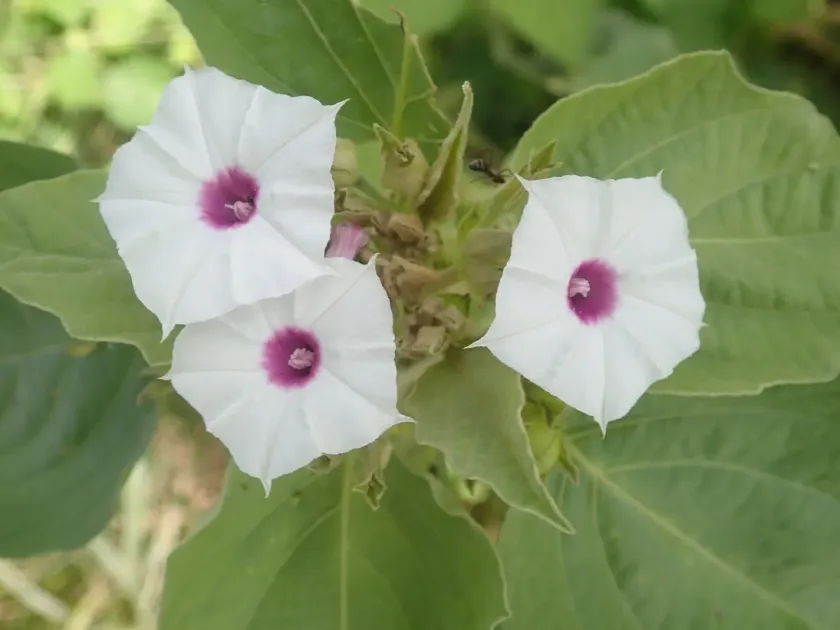
Description
Sowing dates
Astripomoea lachnosperma is a distinct species within the Convolvulaceae family, characterized by its adaptation to arid and semi-arid environments. This plant is known for its woolly seeds, which reflect its specific evolutionary strategy in harsh climates.
When cultivating this species, timing is crucial. Seeds should be sown when the soil temperature consistently supports germination, which typically occurs after the onset of the warm season, avoiding any risk of frost.
Because the seeds possess a thick seed coat, pre-sowing treatments such as scarification are highly recommended to ensure uniform and rapid germination. This process mimics natural mechanisms and significantly boosts the success rate.
The recommended sowing density depends on the purpose of the crop, but generally, space should be provided for the plant's wide-spreading vegetative structure. Seeds should be placed at a depth of approximately 2–3 centimeters.
Initial development of Astripomoea lachnosperma is relatively slow. Therefore, farmers should focus on maintaining a weed-free environment during the first few weeks after emergence to minimize competition for nutrients.
Growing requirements
This crop thrives in well-drained, sandy soils. Due to its adaptation to native African savanna conditions, it is extremely sensitive to waterlogging, which often leads to rapid deterioration of the root system.
Astripomoea lachnosperma requires full sun exposure to maintain optimal physiological functions. Any shade will lead to stunted growth and reduced seed yield, as the plant needs intense light for photosynthesis.
While the plant can survive in nutrient-poor soils, a moderate application of phosphorus and potassium-based fertilizers during the early vegetative phase can enhance overall plant vigor and stress resistance.
The plant demonstrates remarkable drought tolerance once established, thanks to its deep-reaching root system. This makes it a viable candidate for agricultural projects in regions with limited water resources.
Climate stability is preferred, particularly during the flowering stage. Extreme temperature fluctuations during pollination can lead to poor fruit set and reduced harvest quality.
Main diseases and pests
Root rot is the most significant threat to the crop, especially in conditions where soil aeration is poor or rainfall is excessive. Prevention starts with proper site selection and soil preparation.
Sucking insects, such as aphids and spider mites, are common pests that target the foliage. Integrated pest management strategies, including the use of neem-based oils or soap sprays, can mitigate these issues effectively.
Fungal diseases like powdery mildew can appear in humid environments. Ensuring proper plant spacing to facilitate airflow is the best way to reduce the humidity around the leaves and prevent fungal growth.
Agricultural hygiene, including the removal of crop residues after harvest, is essential to break the life cycle of soil-borne pathogens that might otherwise overwinter in the field.
Finally, farmers should monitor for signs of chlorosis or leaf yellowing, which may indicate either nutrient deficiencies or early-stage infestation by soil-borne pests or nematodes.