
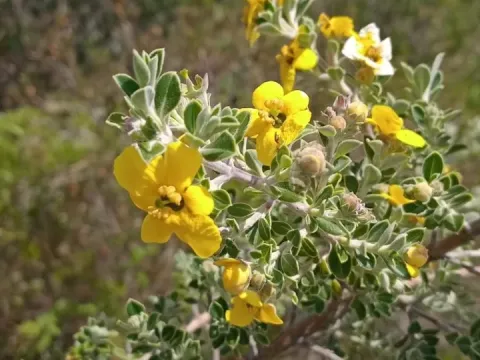
Columellia
Columellia
Columellia is a distinctive genus of flowering plants that serves as the type genus for the family Columelliaceae. These plants are native to the high-altitude regions of the Andes, spanning from Colombia to Bolivia, where they thrive in specific mountainous ecological niches.
What the section contains

Columellia
In their natural environment, these plants typically grow as evergreen shrubs or small trees. They are characterized by opposite, leathery leaves and striking yellow flowers, which feature a unique staminal structure that distinguishes them within their botanical family.
When considering the requirements for these plants, they demand well-drained, slightly acidic soil rich in organic matter. They are inherently adapted to cool, moist conditions common to cloud forests, which must be replicated for successful growth in controlled environments.
Light levels should be bright but filtered, as intense direct sun can be damaging to the leathery leaves in certain environments. Temperature control is paramount; these plants do not tolerate extremes, preferring stability and moderate humidity levels.
Agricultural or horticultural use of Columellia is currently limited to specialty collections. Because of their niche requirements, they are not suited for broad-scale farming but remain a subject of great interest for botanists studying high-altitude evolution.
The primary threats to Columellia in the wild are the loss of high-altitude habitats due to environmental degradation and climate instability. Because these plants are specialized, they are slow to recover from environmental disturbances.
In cultivation, the most significant risk is root pathogens. Over-watering, combined with poor drainage, frequently leads to fungal infections that can quickly compromise the plant's vascular system.
Common pests that may affect these shrubs include spider mites and aphids, which are particularly attracted to tender new growth. Integrated pest management using gentle systemic agents is recommended for control.
Prevention involves maintaining strict environmental parameters, specifically air circulation and soil oxygenation. Monitoring the foliage for discoloration is essential to detect early signs of stress or pest infestation.
Given the scarcity of the plant, propagation efforts should prioritize the use of healthy stock and sterile equipment to prevent the spread of soil-borne diseases that could jeopardize local collections.