
Columellia oblonga
Columellia oblonga
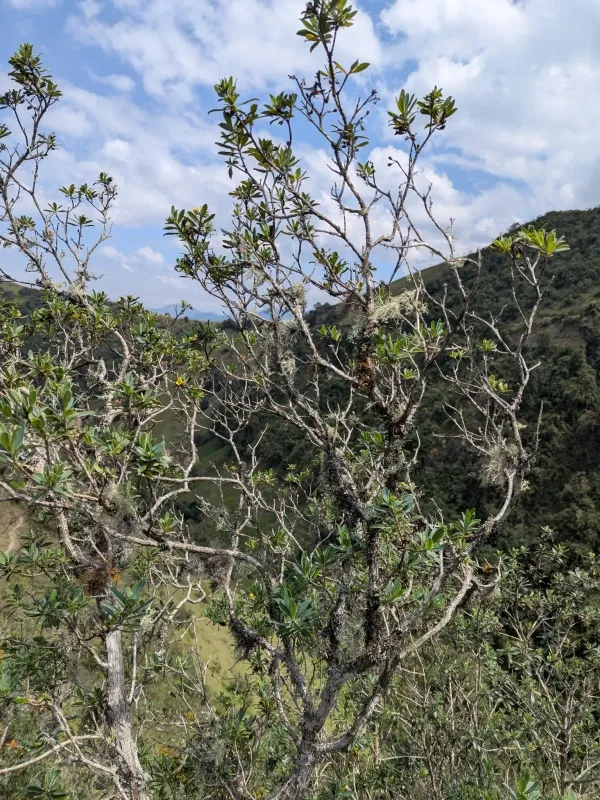
Description
Growing requirements
Columellia oblonga is a distinct species of evergreen shrub belonging to the monotypic family Columelliaceae. Originating from the high-altitude regions of the Andes in South America, specifically in countries like Peru and Ecuador, this plant has adapted to cool, misty, and high-elevation environments.
Botanically, it is recognized for its oblong, coriaceous (leathery) leaves and bright yellow flowers, which possess a complex structure designed for specific Andean pollinators. It functions as a resilient species within its native ecosystem, often inhabiting steep slopes where drainage is naturally optimal.
Regarding cultivation requirements, Columellia oblonga demands a well-draining, organic-rich soil substrate with an acidic to neutral pH level. It is highly sensitive to root asphyxiation, making drainage a critical factor for success in pots or garden beds.
Environmental conditions should mimic its native habitat, providing cool temperatures and high humidity without excessive heat or freezing spikes. It thrives in filtered light, as the intensity of direct sun in its high-altitude habitat is naturally diffused by frequent cloud cover.
Currently, its agricultural or economic use is limited to botanical research and specialized ornamental collections. It remains a rare find in the horticulture world, valued primarily for its unique evolutionary history and aesthetic appeal in managed conservatory environments.
Main diseases and pests
The primary threats to Columellia oblonga include the loss of natural habitat due to climate change and environmental degradation in the Andean region. As a highly specialized plant, it cannot easily adapt to rapid shifts in its local climate conditions.
When grown in greenhouse settings, the main risks are fungal diseases caused by stagnant air and excessive substrate moisture. Proper ventilation is essential to maintain the health of the root system and to prevent the spread of soil-borne pathogens.
Pests such as spider mites represent a common threat in indoor conditions, especially during periods of low atmospheric humidity. Regular monitoring and maintaining high humidity levels can effectively prevent infestations before they cause significant damage.
Effective management strategies for this species involve a careful balance of care practices:
- Monitoring soil pH levels consistently.
- Ensuring adequate airflow to prevent fungal growth.
- Applying targeted micronutrient supplements to replicate high-altitude soil quality.
In cases of infestation, professional guidance is recommended before applying broad-spectrum pesticides, as the species' physiological response to such chemicals is not extensively documented in mainstream agricultural literature.