
Combretum gueinzii
Combretum gueinzii
Description
Growing requirements
Combretum gueinzii (synonym Combretum molle) is a deciduous tree or shrub belonging to the Combretaceae family. Native to the diverse landscapes of sub-Saharan Africa, it has adapted to survive in harsh savanna environments.
This species thrives in areas with full sun exposure and well-drained soil. It is highly drought-tolerant, utilizing its deep root system to access water during the dry season. The plant performs best in sandy or gravelly soils that prevent waterlogging.
Regarding climate, the plant is native to tropical regions with distinct wet and dry seasons. It requires warm temperatures throughout the year and is sensitive to frost, which limits its range in temperate agricultural zones.
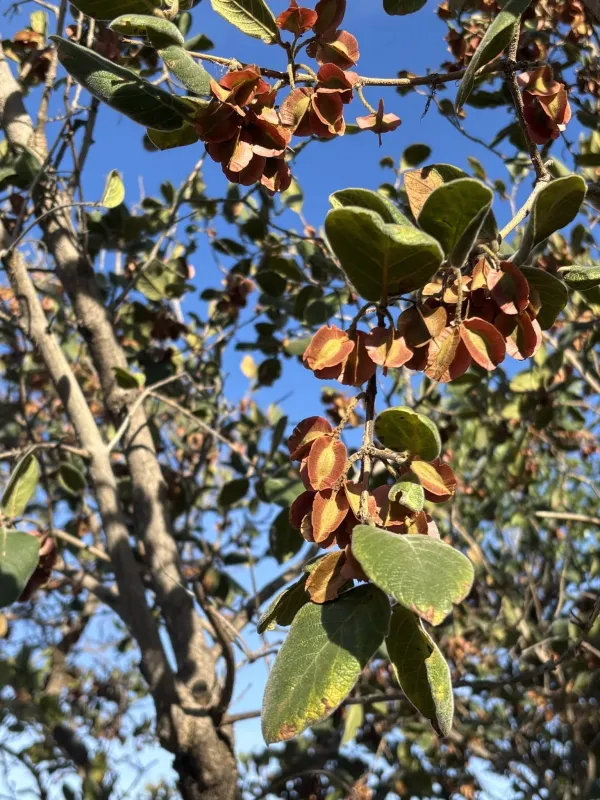
Botanically, the species is characterized by its distinct leaves with a pubescent underside and dense clusters of yellowish-green flowers. The plant's ability to shed leaves is an evolutionary adaptation to preserve energy during period of water scarcity.
Economically, it is valued for its hard and durable wood, often used for construction and tool handles. Furthermore, various parts of the tree are traditionally used in medicinal practices due to the presence of secondary metabolites with antiseptic properties.
Main diseases and pests
The primary threats to Combretum gueinzii include fungal infections that manifest under conditions of excessive air humidity or poor drainage. These pathogens can affect both the leaf surface and the internal structure of the bark.
Insect pests such as leaf-eating caterpillars are commonly found in natural stands. These pests can significantly reduce the photosynthetic capacity of the plant if infestations are not controlled in time.
Root parasites and soil-borne diseases pose a risk to young seedlings during their establishment phase. Ensuring the soil environment is not too compact is essential for mitigating these biological risks.
Environmental stress, such as extreme heat coupled with prolonged water deficit, can make the tree susceptible to secondary opportunistic infections. Maintaining tree vigor is the best defense against such occurrences.
Effective management includes regular sanitary pruning and the removal of deadwood to prevent the buildup of pest populations. Chemical interventions should be targeted and used only when necessary to minimize the impact on local biodiversity.