
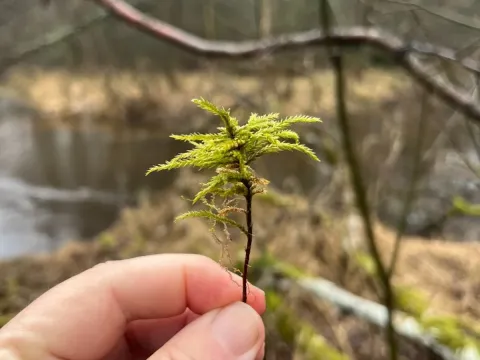
Climacium
Climacium
Climacium is a genus of large ground-dwelling mosses belonging to the Climaciaceae family. While not a traditional food crop, this plant is increasingly valued in professional horticulture, landscape design, and specialized decorative nurseries.
What the section contains

Climacium
Botanically, Climacium is distinguished by its tree-like habit, featuring upright, branched shoots. This unique morphological structure allows it to create a dense, aesthetic carpet that mimics a miniature forest floor.
The culture has strict requirements for environmental conditions. It thrives in shaded habitats where high humidity is maintained, as the plant is highly sensitive to desiccation and direct solar radiation, which can easily scorch its delicate tissues.
Originating from temperate zones of the Northern Hemisphere, Climacium naturally occupies riparian zones, swamp margins, and damp forest floors. Successful cultivation requires mimicking these specific ecological niches to ensure long-term survival.
Soil requirements for optimal growth focus on high organic matter content and a stable pH level, ideally ranging from slightly acidic to neutral. Good aeration combined with consistent moisture without waterlogging is essential for the health of the bryophyte colony.
The primary threat to Climacium cultivation is dehydration. Since mosses lack a complex vascular system, they rely entirely on the surrounding moisture levels; prolonged dry spells can lead to rapid cessation of growth and potential colony collapse.
Fungal pathogens often emerge in environments with poor air circulation and excessive water stagnation. Maintaining a balance between humidity and ventilation is crucial to prevent the development of harmful molds and rot in the moss mat.
Competition from invasive weeds poses a significant challenge. Vascular plants can quickly overtake the space and deprive the moss of light and nutrients. Regular weeding is a mandatory maintenance task for any professional moss production site.
Invertebrate pests, particularly gastropods, can cause significant physical damage to the plant shoots. Utilizing sustainable and pest-specific control measures is recommended to maintain the ornamental quality of the cultivation.
Environmental stressors, including atmospheric pollution and heavy dust accumulation, can inhibit the plant's ability to photosynthesize. Keeping the site protected from industrial runoff and busy traffic areas is vital for producing high-quality specimens.