
Sarcandra glabra
Sarcandra glabra (Thunb.) Nakai
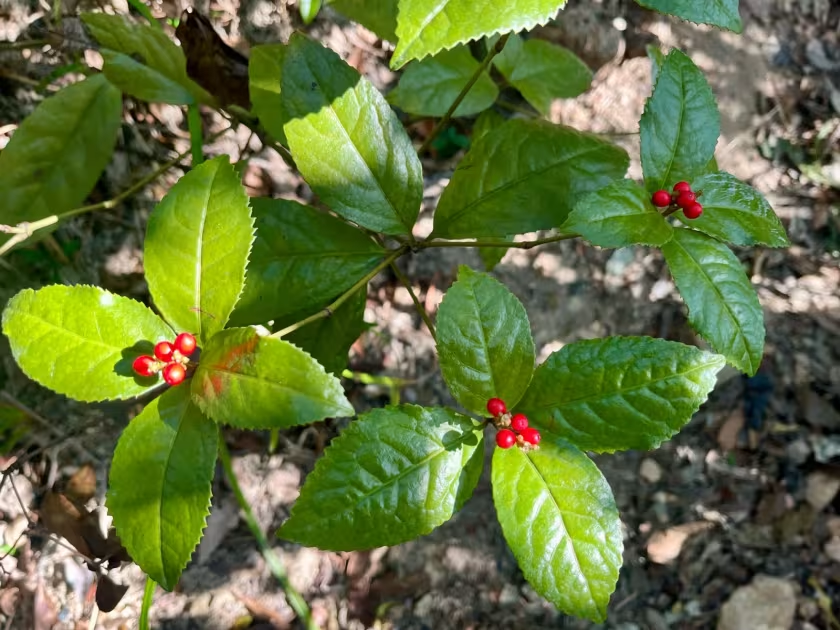
Description
Growing requirements
Sarcandra glabra is an evergreen subshrub belonging to the Chloranthaceae family. Native to the subtropical forests of East and Southeast Asia, this species thrives in humid environments under a dense canopy of trees.
The plant requires shaded or semi-shaded conditions for optimal growth. It is highly sensitive to direct sunlight, which can scorch the leaves and impede photosynthesis, leading to reduced vitality and poor medicinal quality.
Soil requirements include rich, well-draining substrate with organic matter content. It prefers slightly acidic to neutral soil and performs best when moisture is maintained without waterlogging the roots.
In terms of climate, Sarcandra glabra prefers mild, humid conditions with no frost exposure. It is a classic temperate-to-subtropical plant that requires careful placement in domestic landscapes or greenhouses to protect it from extreme weather.
Agronomic practices focus on maintaining consistent soil moisture through mulching and regular irrigation. Proper spacing is essential to ensure adequate airflow around the foliage, which reduces the incidence of environmental stress.
Main diseases and pests
The primary threats to Sarcandra glabra are root pathogens that arise from poor soil aeration and water accumulation. Excessive moisture around the base of the plant creates an ideal environment for fungi and bacteria.
Foliar diseases, such as leaf spots, can occur if the humidity levels are too high without proper ventilation. Regular pruning and thinning of the shrub are necessary to prevent the development and spread of these infections.
Pests like spider mites and scale insects are common in greenhouse settings where air is dry. Early detection and the use of integrated pest management are recommended to maintain plant health without chemical residues.
Plants grown under suboptimal light conditions are naturally weaker and more susceptible to attacks. Balancing shade levels with environmental ventilation remains the best defensive strategy for any grower.
Root rot remains the most lethal threat for this crop. Maintaining proper drainage and avoiding over-watering are the most critical preventative measures against this destructive condition in commercial production.
Harvesting
The economic value of Sarcandra glabra lies in its leaves and stems, which are harvested for pharmaceutical applications. The plant is prized for its anti-inflammatory and circulatory-boosting properties in traditional medicine.
Harvesting should be timed to maximize the concentration of sesquiterpenoids. This generally involves collecting young vegetative growth during the summer season when the plant is at its metabolic peak.
Post-harvest processing involves drying the plant material in well-ventilated, shady environments. Rapid drying is discouraged to preserve the delicate chemical compounds found in the fresh leaves.
Apart from medicinal use, the plant is harvested for ornamental purposes, specifically for its bright red berries which persist throughout the colder months. This provides a secondary source of value for horticultural businesses.
Post-harvest management is vital for the longevity of the shrubs. After the main harvest, a light application of organic fertilizer and corrective pruning are required to stimulate growth for the subsequent growing season.