
Tolypella intricata
Tolypella intricata
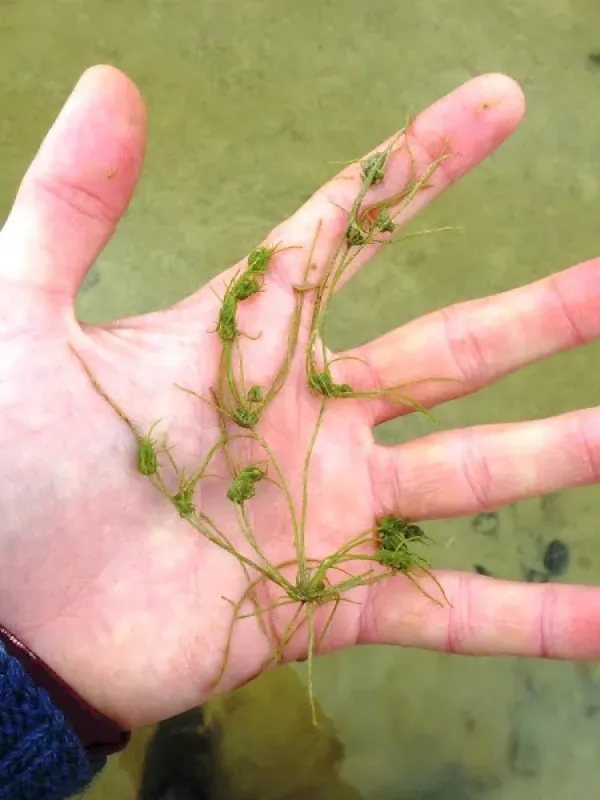
Description
Growing requirements
Tolypella intricata is a species of charophyte algae belonging to the family Characeae, primarily studied in phycology rather than traditional agriculture.
This organism thrives in aquatic environments, specifically preferring shallow, carbonate-rich freshwater bodies. It serves as a bioindicator of water quality and ecosystem health.
Climatic requirements are specific to temperate regions where seasonal changes regulate the life cycle of the species, starting from oospore germination in the spring.
Soil conditions involve the bottom substrate, which should be comprised of clean, mineral-rich sediments. The presence of calcium carbonate is essential for the structure of the plant.
Cultivation protocols are non-existent in agriculture, as the species is sensitive. Management is focused on environmental conservation and the maintenance of clear, unpolluted water systems.
Main diseases and pests
The primary threat to Tolypella intricata is habitat loss, often driven by land drainage and infrastructure development in rural areas adjacent to wetlands.
Agricultural runoff containing herbicides and fertilizers poses a severe risk, causing changes in water chemistry that are lethal to sensitive algal populations.
Eutrophication is a major threat factor, as nutrient loading triggers algal blooms of filamentous species that block light and deplete dissolved oxygen levels.
Hydrological instability, caused by human water management for irrigation purposes, frequently disrupts the breeding cycle of the plant by prematurely drying up ponds.
Invasive species of vascular aquatic plants can aggressively compete for resources, effectively outcompeting Tolypella intricata and reducing its distribution range significantly.