
Tripterygium wilfordii
Tripterygium wilfordii Hook. f.
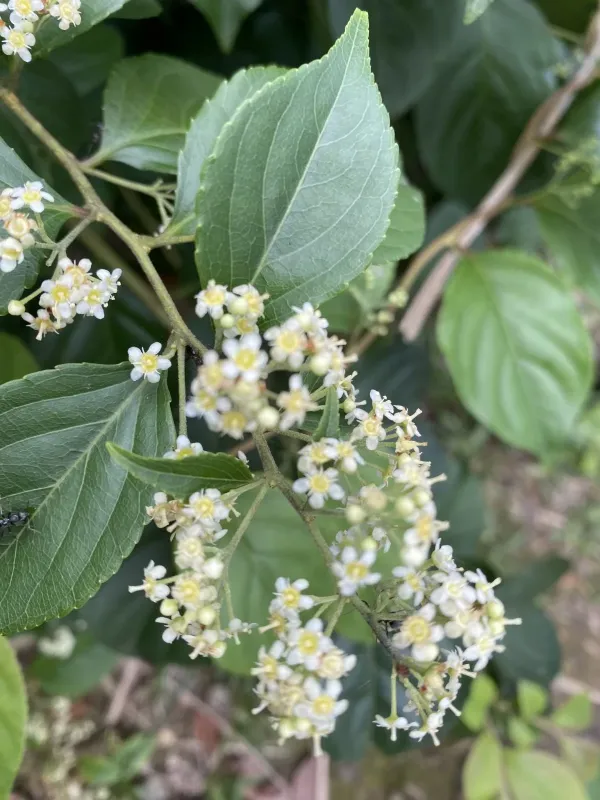
Description
Sowing dates
Propagation of Tripterygium wilfordii is primarily achieved through stem cuttings taken during the active growth phase. To ensure successful rooting, cuttings require a high-humidity environment and a stable temperature, typically managed in a greenhouse or propagation unit.
Seed propagation is a viable alternative, though it necessitates a period of cold stratification to overcome dormancy. Seeds should be sown in a well-draining, nutrient-rich potting medium during the early spring to maximize the length of the growing season.
When transplanting young plants to their permanent location, it is vital to provide adequate spacing, as the vine possesses a vigorous growth habit. A minimum distance of 1.5 to 2 meters between plants helps to ensure proper airflow and light penetration.
Selecting the optimal site involves finding an area with partial shade, mimicking the plant's natural woodland habitat. Excessive direct sunlight can cause stress, while deep shade significantly reduces the accumulation of desired phytochemicals.
Initial soil preparation must include the incorporation of compost or well-rotted organic matter to improve structure. Proper alignment with supporting structures, such as trellises or wooden poles, should be established at the time of planting to guide the vertical growth.
Growing requirements
Tripterygium wilfordii belongs to the Celastraceae family and is commonly known as the Thunder God Vine. It is a perennial woody climber native to the mountainous regions of Eastern Asia, including parts of China, Japan, and Korea.
The plant thrives in fertile, moisture-retentive, yet well-drained soils with a slightly acidic to neutral pH. Avoiding waterlogged conditions is essential, as the root system is highly susceptible to rot if oxygen supply is restricted.
Climatic requirements focus on a temperate growth cycle with moderate rainfall. While the vine is hardy in many respects, it performs best in regions where humidity is consistently moderate, as extreme dry air can lead to foliage desiccation.
Temperature management is crucial, as the plant prefers cool to mild conditions rather than intense heat. Providing sufficient soil moisture is necessary to maintain metabolic processes during warmer weeks, especially in younger, developing specimens.
Regular maintenance includes pruning to remove dead wood and encourage lateral branching. By shaping the vine early in its development, growers can improve the concentration of bioactive compounds in the bark and roots, which is the primary objective of cultivation.
Harvesting
The economic value of Tripterygium wilfordii lies in its root and bark, which are utilized for their potent anti-inflammatory and immunosuppressive properties. Harvesting usually begins after 5 to 7 years, once the plant has reached maturity.
Root harvesting is performed in the autumn, a strategy designed to capture the highest levels of active compounds like triptolide. During this time, the plant's resources are being relocated to the roots for winter storage, maximizing product quality.
Post-harvest processing involves thorough cleaning of the roots to remove all soil particles. The material is then washed and dried in temperature-controlled environments to ensure the preservation of heat-sensitive chemical constituents.
Stem bark is occasionally harvested as well, requiring skilled manual stripping during the active sap-flow season. This process must be balanced with the health of the plant, as excessive stripping can lead to irreparable damage and plant mortality.
Storage of the processed plant material requires cool, dry, and dark conditions to prevent chemical degradation. Proper sealing is necessary to maintain efficacy for long-term use in pharmaceutical and botanical applications.