
Tripterygium regelii
Tripterygium regelii Sprague & Takeda
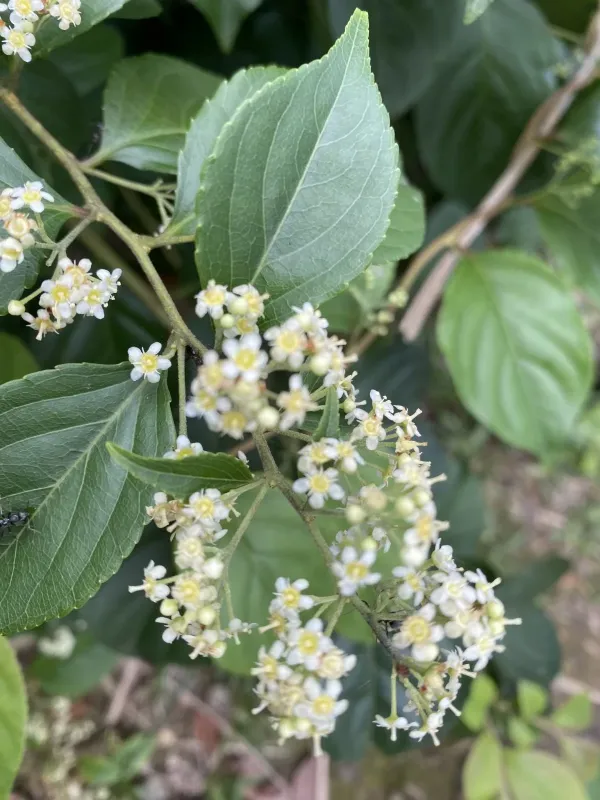
Description
Sowing dates
Propagation of Tripterygium regelii is primarily achieved through seeds or stem cuttings. Seeds require cold stratification for approximately two to three months at temperatures slightly above freezing to break dormancy and ensure high germination rates.
For outdoor sowing, seeds should be planted at a shallow depth of about 1-2 centimeters in early spring. The soil must be kept consistently moist but not waterlogged to support the delicate emerging sprouts during the initial growth phase.
Cuttings are often preferred to ensure genetic consistency. Semi-hardwood cuttings are best taken in mid-summer, treated with rooting hormones, and placed in a light, humid environment to facilitate root development without drying out.
Young plants require careful attention during their first two years. They should be sheltered from intense direct sunlight and provided with regular supplemental watering until the root system is sufficiently established to support the vine.
Transplanting to a permanent location should ideally occur in early spring before the start of the active growing season. A spacious planting hole enriched with compost will provide the necessary foundation for this fast-growing climber.
Growing requirements
Tripterygium regelii is a member of the Celastraceae family and is a robust, deciduous woody vine. Native to the forests of the Russian Far East and parts of East Asia, it thrives in environments that offer moderate humidity and protection from harsh elements.
The plant performs best in fertile, well-draining loamy soils that are neutral to slightly acidic. Providing adequate drainage is essential, as the roots are sensitive to stagnant water, which can lead to rapid decay in heavy or poorly draining soils.
While the vine can tolerate partial shade, it reaches its full potential in sunny positions. High light exposure promotes denser foliage and more prolific flowering, which is a key aesthetic feature of this species in landscape design.
It is noted for its high cold tolerance, making it suitable for temperate gardens. Mature plants can withstand significant winter temperatures, though younger shoots may benefit from protective mulching in regions prone to severe frost cycles.
Proper trellising is a mandatory agricultural requirement. As a vigorous climber, Tripterygium regelii needs sturdy support structures like pergolas, fences, or walls to allow its flexible shoots to display their full growth potential.
Main diseases and pests
Tripterygium regelii is generally resistant to many common plant diseases, but it remains susceptible to fungal infections in environments with poor air circulation. High humidity can trigger leaf spot diseases if the foliage is not allowed to dry properly.
Pests such as aphids and spider mites can be problematic during hot, dry summer months. These insects often target the tender new growth, potentially slowing the overall vigor of the vine if infestations are left unmanaged.
Integrated pest management, including the use of systemic insecticides or biological controls, is effective in maintaining plant health. Regular monitoring of the underside of leaves is recommended to detect and treat pest issues at an early stage.
Root rot is the most common health risk associated with poor site selection, particularly in soils that hold excessive water. Providing a high-quality drainage layer during the initial planting phase remains the best preventative measure.
Sanitation is key to disease prevention. Removing damaged, dead, or diseased wood during annual pruning helps limit the spread of pathogens and encourages the plant to direct its energy toward vigorous, healthy new growth.
Harvesting
The economic value of Tripterygium regelii lies in both its ornamental use and its pharmacological applications. The root bark is known to contain secondary metabolites, including celastrol, which are studied for their anti-inflammatory properties.
Harvesting for medicinal purposes is typically performed in late autumn, once the plant enters dormancy. This timing ensures that the concentration of bioactive compounds in the roots and bark is at its peak for processing.
Post-harvest handling involves thorough cleaning of the roots followed by drying in a controlled, well-ventilated environment. Maintaining moderate temperatures during the drying process is crucial to preserve the integrity of the complex chemical compounds.
Seed harvesting from the winged capsules is conducted when the fruit reaches maturity, indicated by a change in texture and color. These seeds are then cleaned and stored in a cool, dry place until the following planting season.
In ornamental applications, the harvest refers to the seasonal pruning of excessive growth. Regular trimming helps maintain the desired shape and size, ensuring that the vine remains healthy and visually appealing throughout the growing season.