
Cassine tetragona
Cassine tetragona
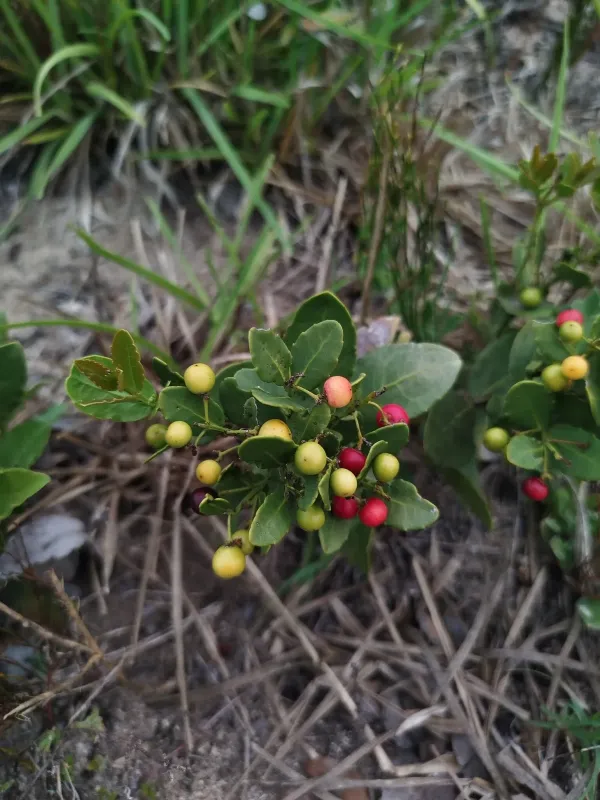
Description
Growing requirements
Cassine tetragona, commonly known as the Saffron wood, belongs to the Celastraceae family. It is native to the coastal regions of Southern Africa, where it thrives in diverse environments.
This species is highly adaptable to Mediterranean climates. It requires full sun exposure to maintain its characteristic foliage density and health throughout the growing season.
The ideal soil for this plant is loose, well-drained, and slightly sandy. While it tolerates various soil types, ensuring that the roots do not sit in stagnant water is crucial for survival.
In terms of agricultural management, it is known for its tolerance to saline conditions, making it an excellent candidate for coastal landscaping and environmental protection.
Regular maintenance involves light pruning to encourage bushier growth and monitoring soil moisture levels to ensure the plant remains vigorous in drought conditions.
Main diseases and pests
Spider mites are the most common pests affecting Cassine tetragona, particularly during hot and dry months when the foliage is under stress.
Scale insects can infest the bark and leaves, requiring prompt intervention with horticultural oils or systematic insecticides to prevent severe plant decline.
Phytophthora and other soil-borne fungi are significant risks if drainage is inadequate, leading to root rot that often becomes irreversible once symptoms appear.
Leaf spot diseases can occur during humid seasons, necessitating proper air circulation and the removal of infected plant debris from the immediate vicinity.
Integrated pest management strategies, such as regular monitoring and maintaining plant vigor, are the best methods for keeping the crop healthy and productive.