
Cassine peragua
Cassine peragua
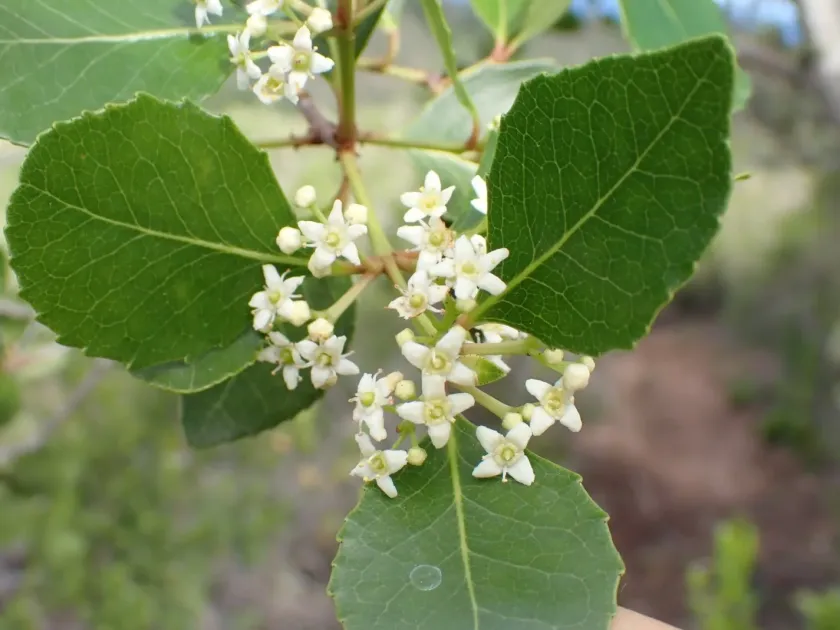
Description
Growing requirements
Cassine peragua belongs to the Celastraceae family and is an evergreen tree or shrub native to the southern regions of Africa. In its natural habitat, the plant prefers coastal forests and areas near water bodies, where the soil maintains moderate moisture levels and provides efficient natural drainage.
Botanically, the culture is distinguished by its leathery, glossy leaves that change hue depending on maturity and sun exposure. The flowers are typically small, greenish-yellow, and gathered in clusters that eventually develop into fleshy red or orange fruits, which serve as a significant food source for local birds.
For successful cultivation, Cassine peragua requires sunny or semi-shaded locations protected from strong prevailing winds. The species displays a moderate tolerance to mild temperature drops; however, it is highly sensitive to hard frosts, which can cause significant damage to young branches and foliage.
Soil requirements involve the use of loose, organic-rich substrates with a neutral or slightly acidic pH balance. Maintaining a consistent and moderate moisture level is essential for healthy development, while preventing water stagnation is crucial to avoid root decay and other moisture-related diseases.
The primary хозяйственное use of Cassine peragua is within landscape architecture, park development, and the creation of lush, evergreen hedges. Due to its dense canopy and aesthetic fruit display, it has become a favored species for municipal greenery in regions with suitable mild climates.
Main diseases and pests
Common threats to this culture include fungal root diseases, which often manifest when irrigation schedules are ignored or soil drainage is insufficient. Regular inspections of the base of the trunk and the root collar are necessary to identify early signs of fungal growth.
Regarding pests, scale insects and mealybugs are the most frequent threats, as they feed on the sap of tender leaves and young shoots. Control methods typically include the application of mild, environmentally friendly insecticides or physical cleaning of infested plant parts if the outbreak is localized.
Excessive nitrogen fertilizer application can make the plant more susceptible to pest colonization. A balanced nutrient regimen, focusing on overall plant immunity, is recommended to ensure the specimen remains vigorous and resistant to potential attacks throughout the growing season.
While birds aid in seed dispersal in the wild, they can occasionally damage the decorative appearance of the trees in nursery environments by consuming fruits. Protective netting or noise-based deterrent systems are sometimes employed to preserve the visual appeal of the plants.
Preventive maintenance involves consistent sanitary pruning of dead or diseased branches to promote better air circulation within the canopy. Providing adequate spacing between individual trees during planting is also a vital step in reducing the risk of rapid disease transmission across the plantation.