
Narrow-leaved gypsophila
Gypsophila tenuifolia
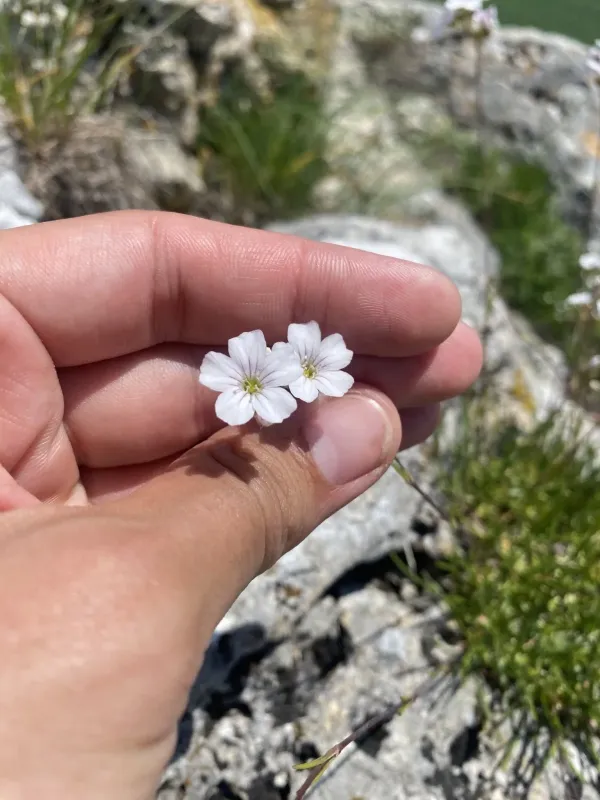
Description
Sowing dates
Narrow-leaved gypsophila (Gypsophila tenuifolia) is a perennial herbaceous plant belonging to the Caryophyllaceae family. It is prized for its delicate texture and resilience, making it a valuable addition to rock gardens and sunny borders.
Sowing in open ground is typically performed in early spring as soon as the soil can be worked. Alternatively, seeds can be started indoors in late winter to ensure a head start, though direct sowing is often preferred to avoid disturbing the taproot system.
The seeds are small and should be sown on the surface of a light, sandy substrate with minimal covering. A light dusting of vermiculite or sand is sufficient to provide the necessary humidity for germination without excluding sunlight.
Germination usually takes about two to three weeks if temperatures are maintained between 18°C and 20°C. Consistency in moisture levels during the first few weeks is crucial, though the seedlings should never be waterlogged.
Once the plants have developed two sets of true leaves, they should be thinned or transplanted into their permanent locations. Careful handling is required during transplanting to preserve the integrity of the root system, which is vital for the plant's future growth.
Growing requirements
This species is highly adapted to sunny environments and thrives in full sun. Exposure to at least six hours of direct sunlight per day is essential for producing the dense, attractive flowering stems characteristic of the species.
The soil requirements are strict: excellent drainage is non-negotiable. The plant naturally occurs on rocky slopes and calcareous soils, so it requires a substrate that mimics these dry, well-draining conditions to prevent root rot.
Soil pH should ideally be neutral or slightly alkaline. In regions with acidic soils, incorporating crushed limestone or garden lime is highly recommended to improve the growing conditions for this specific gypsophila variety.
Watering should be managed with caution. Once the plants are established, they exhibit significant drought tolerance and perform best with deep, infrequent watering rather than light, daily irrigation.
Feeding should be kept to a minimum. An application of low-nitrogen, balanced fertilizer in early spring is sufficient. High nitrogen levels can cause excessive foliage growth and make the plants susceptible to lodging and fungal diseases.
Main diseases and pests
Root rot, primarily caused by Phytophthora or Pythium fungi, is the most common threat to this plant. It is almost always a result of poor drainage or overwatering, making the root zone hypoxic and vulnerable to pathogens.
Powdery mildew can occur during periods of high humidity and poor air circulation. Applying a preventive fungicide or ensuring adequate spacing between individual plants will significantly reduce the likelihood of a severe infection.
Aphids and spider mites are the most frequent insect pests. These pests feed on the sap and can lead to stunted growth or discolored foliage if left untreated. Regular monitoring is the most effective management strategy.
Gray mold (Botrytis) may affect flower buds during prolonged wet weather. To mitigate this, remove any decaying plant tissue immediately and ensure the garden layout allows for maximum air movement across the plant canopy.
Weed management is critical during the plant's establishment phase. Weeds compete for resources and humidity, creating a microclimate around the gypsophila that encourages disease development and compromises plant health.