
Acanthophyllum microcephalum
Acanthophyllum microcephalum
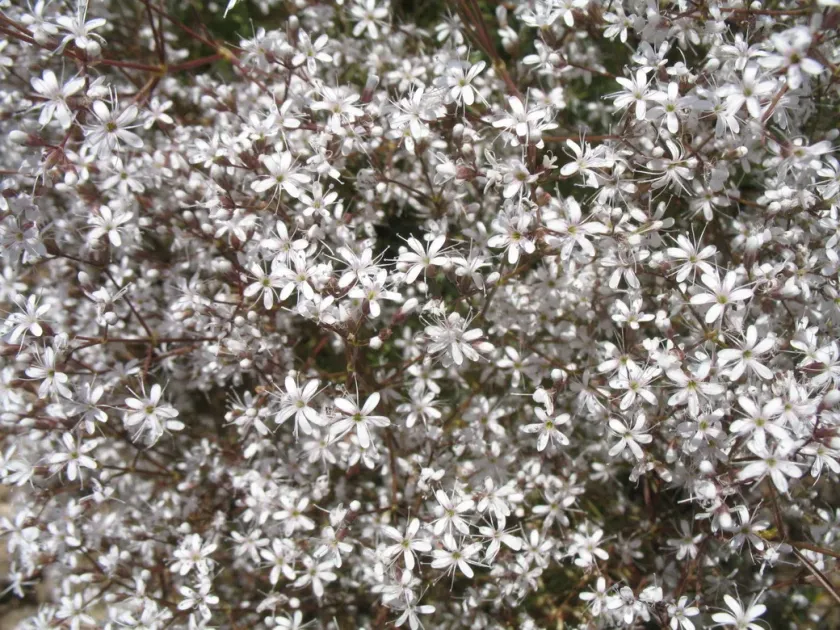
Description
Sowing dates
Acanthophyllum microcephalum is a perennial shrub belonging to the Caryophyllaceae family. In industrial farming, seeds are sown in early spring as soon as soil temperatures reach 8-10 degrees Celsius to ensure uniform germination.
Seeds require stratification or treatment with growth stimulants due to their hard seed coat, which hinders water absorption. Seeds should be planted at a depth of 1-2 centimeters in well-prepared, loose soil.
Planting is carried out in wide rows with intervals of 45-60 centimeters to provide space for root development and facilitate maintenance. This spacing is crucial for high-quality root production.
During the first year, growth is relatively slow as the plant invests energy into establishing a deep taproot. Maintaining weed-free conditions is essential during this stage to prevent competition.
While vegetative propagation through root division is possible, seed-based propagation remains the most efficient method for establishing large-scale plantations with optimal plant density.
Growing requirements
This species is a typical xerophyte native to the arid regions of Central Asia. It is highly resistant to drought and can withstand prolonged periods of moisture deficit without adverse effects.
The plant thrives in full sunlight and prefers light, well-aerated soils, including sandy, stony, or slightly saline substrates. Waterlogging is detrimental to the plant and must be avoided.
Light is a critical factor; any shade will reduce the concentration of saponins in the biomass. Ideal temperatures for active growth range between 20 and 35 degrees Celsius.
The soil should have a neutral or slightly alkaline pH. In heavy loam soils, the addition of sand or fine gravel is necessary to improve drainage and aeration, mimicking the plant's natural habitat.
Though not demanding regarding nutrient inputs, the application of small doses of phosphorus and potassium fertilizers on poor soils can significantly enhance root growth and saponin yields.
Yield
The economic value of Acanthophyllum microcephalum lies in its roots, which are a rich source of triterpene saponins. These are highly prized in the pharmaceutical, food, and chemical industries.
Industrial harvesting typically begins when plants are 3-4 years old, at which point the roots are sufficiently developed. Autumn is the optimal season for harvesting as saponin content peaks.
In the food industry, the extract serves as a natural foaming agent (surfactant), particularly in the production of confectionery products, offering a sustainable alternative to synthetic chemicals.
The medical field utilizes the plant for its expectorant and antimicrobial properties. Preparations derived from the roots are stable and effective in treating respiratory conditions.
The long-lived nature of these plantations allows for reliable annual production once established, minimizing the need for frequent soil cultivation and reseeding.
Main diseases and pests
Acanthophyllum microcephalum possesses a strong natural defense mechanism due to its high secondary metabolite content, making it largely resistant to common agricultural pests and diseases.
The primary threat remains fungal rot of the root system, caused by excessive soil moisture or poor drainage. Keeping the soil well-drained is the best preventive strategy against such pathogens.
Minor infestations of aphids may occur on young shoots but rarely cause economic damage to the root system, which is the primary crop. Chemical control is therefore seldom necessary.
In certain regions, small rodents may threaten seeds or young seedlings. Protective measures on the perimeter of the field are usually sufficient to manage these risks.
Good agricultural practices, such as timely weeding and maintaining optimal soil moisture levels, effectively keep the plantation healthy and productive without excessive chemical intervention.
Harvesting
Harvesting is performed mechanically using deep-tillage equipment or plows designed to lift the root system while minimizing breakage or injury to the taproot.
The best time for harvesting is in the late autumn, when plant metabolic activity shifts to the roots, ensuring the highest possible concentration of active ingredients.
Once harvested, the roots are cleaned of soil, washed, and dried in ventilated areas or specialized drying chambers at temperatures not exceeding 50 degrees Celsius.
The dried roots are milled for easier extraction of saponins. Controlling moisture levels after drying is essential to prevent mold growth and maintain the chemical stability of the final product.
Properly dried and processed raw material can be stored for several years in dry, dark, and cool conditions without losing its pharmaceutical or industrial potency.