
Acanthophyllum mucronatum
Acanthophyllum mucronatum
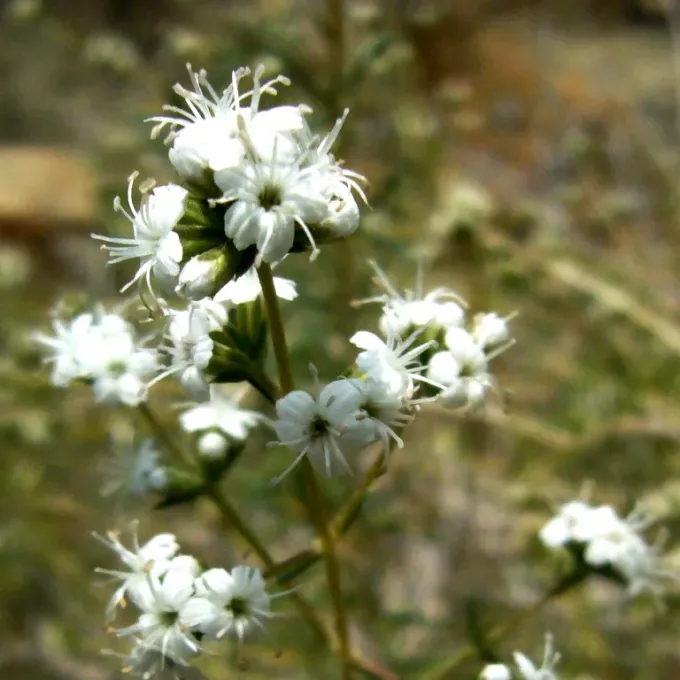
Description
Growing requirements
Acanthophyllum mucronatum is a perennial shrub belonging to the Caryophyllaceae family. It is natively adapted to harsh, arid environments, making it a highly resilient species in semi-desert landscapes.
The plant features a specialized morphology, including rigid, sharp leaves and a dense root system designed for efficient moisture extraction from deep soil layers in extreme conditions.
For cultivation purposes, this plant requires high levels of solar radiation and well-drained soil. It is particularly sensitive to waterlogging, which often results in root rot and plant decay.
Soil requirements focus on alkalinity and low moisture content. It thrives in stony or sandy loam soils where competition from other fast-growing vegetation is minimal.
The species is primarily recognized for its chemical composition, particularly its high saponin content, which has historical and potential industrial applications in various technical sectors.
Main diseases and pests
Root rot caused by fungal pathogens is the most significant threat to plant health, particularly when soil drainage is poor or humidity is excessively high.
Insects, particularly weevils, pose a threat to the plant's reproductive success by damaging flowers and developing seeds, which is detrimental to seed production efforts.
Weed competition during the seedling establishment stage is critical, as young plants grow relatively slowly compared to common opportunistic weeds in desert environments.
Rust fungi may affect the foliage under specific environmental conditions characterized by increased moisture levels and lack of proper airflow.
Effective management requires integrated pest control measures and careful moisture regulation to ensure that the soil remains dry enough to prevent opportunistic fungal growth.