
Muku tree
Aphananthe aspera
Description
Growing requirements
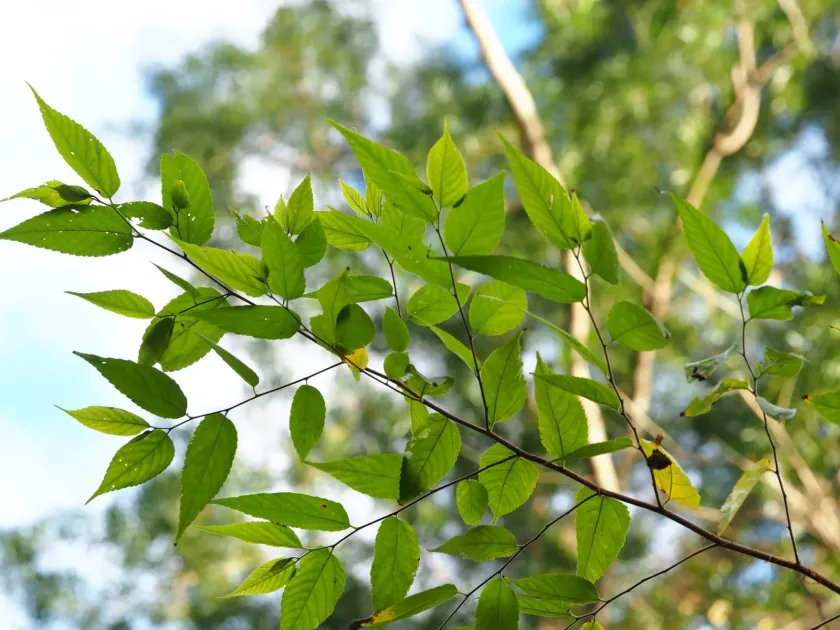
The Muku tree (Aphananthe aspera) is a deciduous species belonging to the family Cannabaceae. Known for its distinct rough leaves and sturdy growth habit, it can grow into a large, majestic canopy tree, making it a popular choice for large-scale landscaping and urban greening projects.
The native habitat of this species is spread across East Asia, including Japan, China, and the Korean Peninsula. It naturally thrives in moist, temperate forests, often found along river valleys and slopes where the soil composition provides both nutrients and adequate moisture drainage.
Cultivation requires fertile, well-draining soil with a pH level ranging from slightly acidic to neutral. While the species is relatively adaptable, it performs best when provided with deep soil profiles that allow its extensive root system to penetrate comfortably without risk of stagnation.
Agricultural management involves careful irrigation during the establishment phase. Once matured, the Muku tree shows decent tolerance to environmental stressors, although mulching is highly recommended to protect roots from temperature fluctuations and to conserve soil moisture levels during hot seasons.
The wood of Aphananthe aspera is highly regarded in the industry for its hardness and fine grain, which makes it suitable for high-quality carpentry and tool manufacturing. Beyond timber, the species is historically significant in traditional paper-making crafts due to its fibrous bark.
Main diseases and pests
The tree is generally robust, but it can be susceptible to leaf-spot diseases caused by fungi during humid summers. Ensuring that the trees are spaced correctly and pruned to allow airflow is the best preventative strategy against such botanical ailments.
Pests, such as aphids and various leaf-eating beetles, may occasionally attack younger trees. Regular monitoring during the active growth phase is advised to ensure that the trees remain healthy and vigorous throughout their development cycle.