
Aphananthe philippinensis
Aphananthe philippinensis
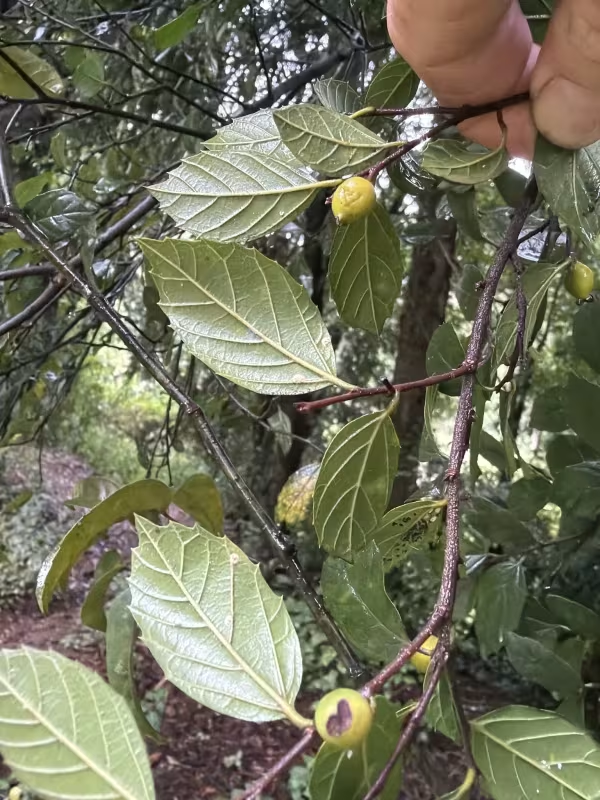
Description
Growing requirements
Aphananthe philippinensis, commonly known as the rough-leaved hickory or grey handlewood, belongs to the Cannabaceae family. It is a robust evergreen tree native to the rainforests of the Philippines, Australia, and other parts of Southeast Asia, where it can reach heights of up to 30 meters.
The species thrives in tropical climates characterized by consistent rainfall and high humidity levels. While it shows some resilience once established, young saplings require protected environments with sufficient moisture to prevent desiccation during the initial growth stages.
In terms of soil requirements, this tree prefers well-drained, nutrient-rich soils but is known to be adaptable to various terrains, including limestone-based soils. Proper drainage is essential to ensure root health, as stagnant water is a primary factor inhibiting the development of this species.
Botanically, the tree is noted for its coarse, scabrid leaves and its dense, extremely hard wood. The canopy is typically thick, providing significant shade, which makes it an excellent candidate for reforestation projects aimed at restoring native forest structure in tropical regions.
The timber of Aphananthe philippinensis is highly regarded in the industry for its exceptional hardness and strength. It is frequently utilized in the manufacturing of tool handles, heavy-duty implements, and other items that require a material capable of withstanding significant mechanical stress.
Main diseases and pests
Common threats to the tree include various fungal pathogens that can affect the trunk if the tree is wounded or stressed by poor growing conditions. Maintaining high plant vigor through proper spacing and regular sanitation is the best defense against these outbreaks.
Pest pressure from stem-boring insects can also be a significant issue in managed plantations. Monitoring programs focusing on early detection of exit holes or frass accumulation are vital to preventing widespread infestation and ensuring the long-term health of the wood.