
Commiphora erythraea
Commiphora erythraea (Ehrenb.) Engl.
Description
Growing requirements
Commiphora erythraea is a shrub or small tree belonging to the Burseraceae family. It is native to the arid landscapes of East Africa, thriving in environments that are typically inhospitable to many other crops.
The plant is highly adapted to rocky, well-drained soils and requires significant levels of sunlight to thrive. Its physiological structure is designed to minimize water loss, making it a true xerophyte.
Climate requirements include high temperatures throughout the year. It does not tolerate frost, which can cause severe damage or death to the plant. Moisture management is the most critical aspect of its care.
Cultivation practices focus on mimicking the plant's natural habitat. Low nutrient requirements and minimal water needs make it an interesting candidate for sustainable farming in desertified areas.
Propagation is typically done through cuttings, which allows for better control over the growth characteristics of the trees in a plantation setting. Young plants require initial protection until they are established.
Yield
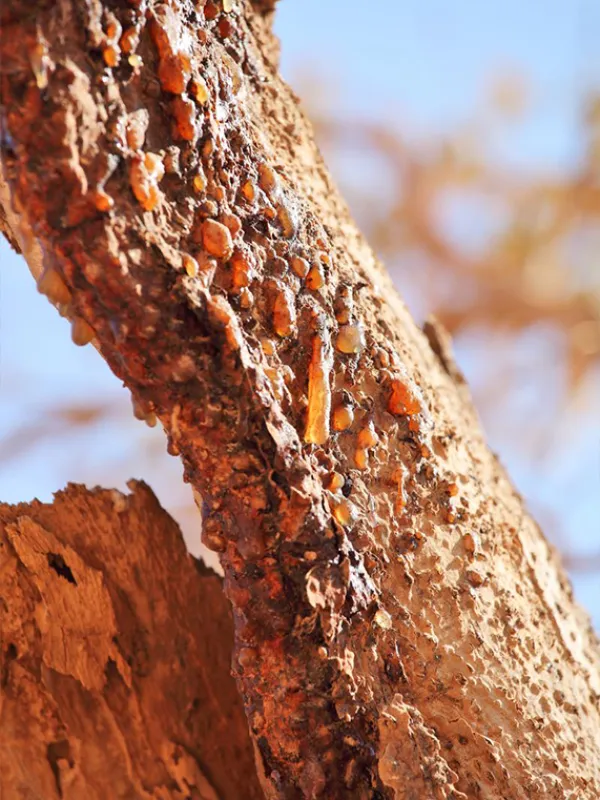
The primary yield from this crop is a fragrant resin known commercially as opopanax. This product is obtained by tapping the bark of the trees, a process that requires precision to avoid permanent damage.
Yield capacity fluctuates based on tree maturity and environmental factors. Sustainable harvesting techniques are essential to maintain the productivity of the trees over many years.
Opopanax resin is highly valued in the perfume and cosmetic industries for its unique balsam-like aroma. It also contains various chemical compounds with potential pharmaceutical applications.
The economic value of the harvested resin drives interest in better plantation management. Standardizing the tapping process is a key objective for increasing efficiency in commercial operations.
Post-harvest processing involves cleaning and grading the resin to meet international standards. Quality control is vital, as impurities can significantly reduce the market value of the crop.
Main diseases and pests
Root rot caused by stagnant water is a major threat to Commiphora plantations. Excess moisture in the root zone is the primary cause of tree loss in cultivation.
Wood-boring insects can cause extensive damage by compromising the structural integrity of the stems. Early identification and removal of affected branches are standard control measures.
Improper tapping, including cuts that are too deep, invites bacterial and fungal infections. Maintaining tool hygiene and limiting the depth of cuts are crucial for tree longevity.
Herbivores are a persistent problem in field cultivation, often targeting young shoots and bark. Fencing and other physical barriers are necessary to protect the plants during the initial growth phase.
Managing disease outbreaks requires a proactive approach, focusing on site selection and ensuring proper aeration to prevent the conditions that favor pathogen development.