
Canarium pilosum
Canarium pilosum
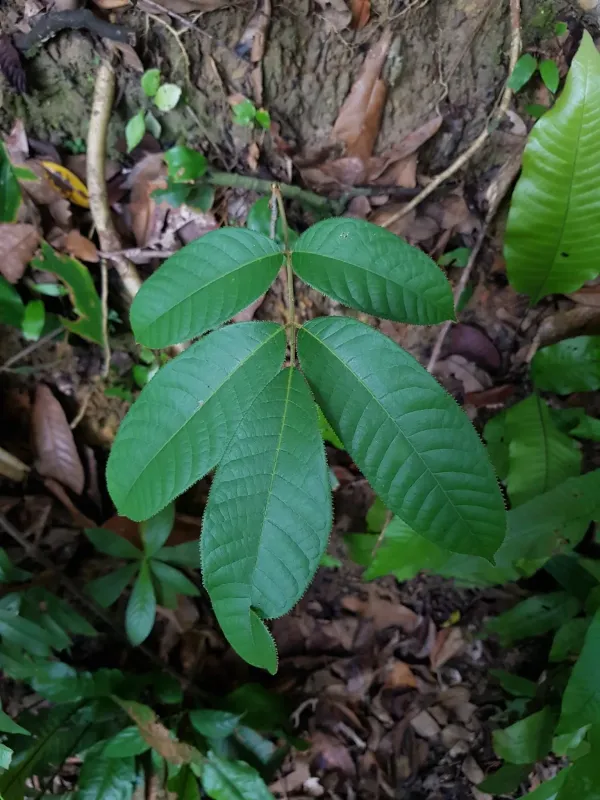
Description
Growing requirements
Canarium pilosum is a tropical tree species belonging to the Burseraceae family, native to the lush, evergreen rainforests of Southeast Asia.
This crop thrives in hot and humid climatic conditions, requiring consistent rainfall patterns and temperatures that rarely drop below 20 degrees Celsius.
Cultivation sites should be selected based on soil quality, with preference given to deep, well-draining loams that provide ample nutrients for tree development.
While the tree is generally hardy, it requires protection from strong winds that can damage canopy structure and reduce total annual fruit yields.
Successful management requires balanced fertilization and organic mulching to suppress weed competition and maintain consistent soil moisture levels.
Harvesting
Harvesting of Canarium pilosum is typically timed to coincide with fruit maturity, often indicated by the outer pericarp softening and changing in color.
The seeds extracted from the fruits are highly valued for their nutritional profile, being rich in fats and proteins essential for local diets.
Processing involves the careful removal of the outer pulp and the extraction of the kernels, which can be consumed raw, roasted, or processed for oil.
Commercial potential for the tree extends beyond nutrition, as the timber is frequently utilized in local joinery and general wood construction tasks.
Proper post-harvest management is crucial, as the oil-rich kernels are susceptible to rancidity if not dried and stored under appropriate environmental controls.