
Canarium sylvestre
Canarium sylvestre
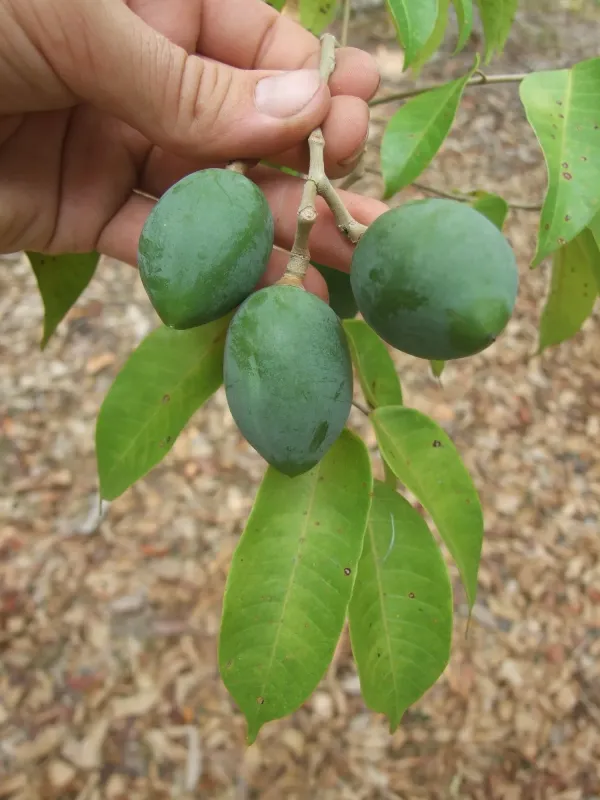
Description
Growing requirements
Canarium sylvestre is a significant tropical tree species belonging to the Burseraceae family. Native to the forest regions of Southeast Asia, it is recognized for its ecological importance and its production of valuable seeds used in local dietary practices.
The cultivation of this species requires a warm and humid tropical climate, with consistent temperatures and high precipitation levels. It is particularly well-adapted to the environments found in regions like Indonesia and the Philippines, where it grows as an integral part of the canopy.
For optimal growth, Canarium sylvestre needs fertile, deep, and well-drained soil. It does not tolerate waterlogged conditions, making proper site selection and drainage management critical factors for plantation success in tropical areas.
Botanically, the tree is characterized by evergreen foliage and a sturdy structure. The fruit produced is a drupe, which contains an edible nut rich in lipids. The plant requires specialized pollination mechanisms typical of tropical forest ecosystems to produce an abundant harvest.
Economically, the tree is valued for its oily seeds and, in some traditions, for its resinous exudates. The wood can also be utilized for secondary purposes, highlighting the versatility of this species in agroforestry systems and local economies.
Main diseases and pests
Fungal pathogens represent the primary disease threat for Canarium sylvestre, particularly in areas with excessive humidity or poor air circulation within the canopy. Strategic pruning is essential to improve airflow and reduce the incidence of leaf and branch diseases.
Insect pests, including various types of borers and fruit-feeding weevils, can significantly impact yield. Integrated pest management strategies, emphasizing biodiversity and natural predators, are recommended to maintain plant health.
Root rot is a common issue resulting from stagnant water, which compromises the tree's health and can lead to plant death. Ensuring that the soil is well-aerated is the most effective preventative measure against such conditions.
Stem-boring insects may infest young or weakened trees, causing structural damage. Regular inspections and the application of preventive treatments can help protect the trunks and maintain the longevity of the plantation.
Competition from aggressive invasive weeds can stunt the growth of young Canarium trees. Implementing mulch around the base of the trees helps maintain soil moisture, suppresses weed germination, and provides additional organic matter to the soil.