
Brunellia
Brunellia
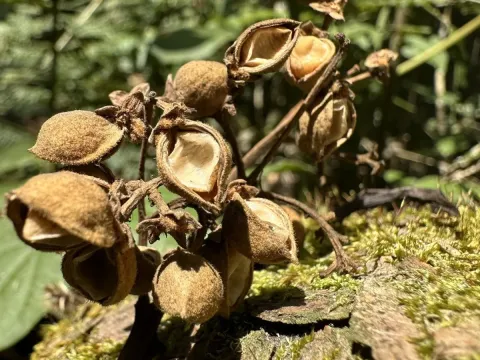
Brunellia is a genus of evergreen trees that constitutes the family Brunelliaceae. These plants are native to the mountainous tropical regions of Central and South America, thriving in high-altitude environments.
What the section contains


Brunellia
Botanically, the species are characterized by compound leaves and a robust growth habit. They are essential components of the cloud forests where they provide habitat and structural integrity to the ecosystem.
For successful cultivation, Brunellia requires specific climatic conditions, including consistent high humidity and cool to moderate tropical temperatures. These plants are sensitive to extreme heat and prolonged dry spells.
The soil requirements involve deep, well-draining substrates rich in organic matter. Proper drainage is critical, as these trees are highly susceptible to root damage caused by waterlogging in heavy, compacted soils.
Economically, Brunellia is valued for its wood, which is used in local carpentry and small-scale timber projects. Research into sustainable harvesting is ongoing to maintain population levels in the wild.
Root rot, primarily caused by excessive soil moisture and poor drainage, remains the most significant threat to the health and longevity of Brunellia trees.
Various species of wood-boring insects present a persistent challenge, as they can cause extensive internal damage to the tree trunks, leading to structural instability.
Fungal leaf spot diseases are common in dense plantations where airflow is restricted, leading to high humidity levels that favor pathogen development.
Nutrient deficiencies, specifically regarding micronutrients in the soil, can lead to chlorosis and general weakening of the tree's defensive systems against pests.
Regular monitoring and integrated pest management practices are recommended to mitigate the impact of biological stressors on tree growth and health.